
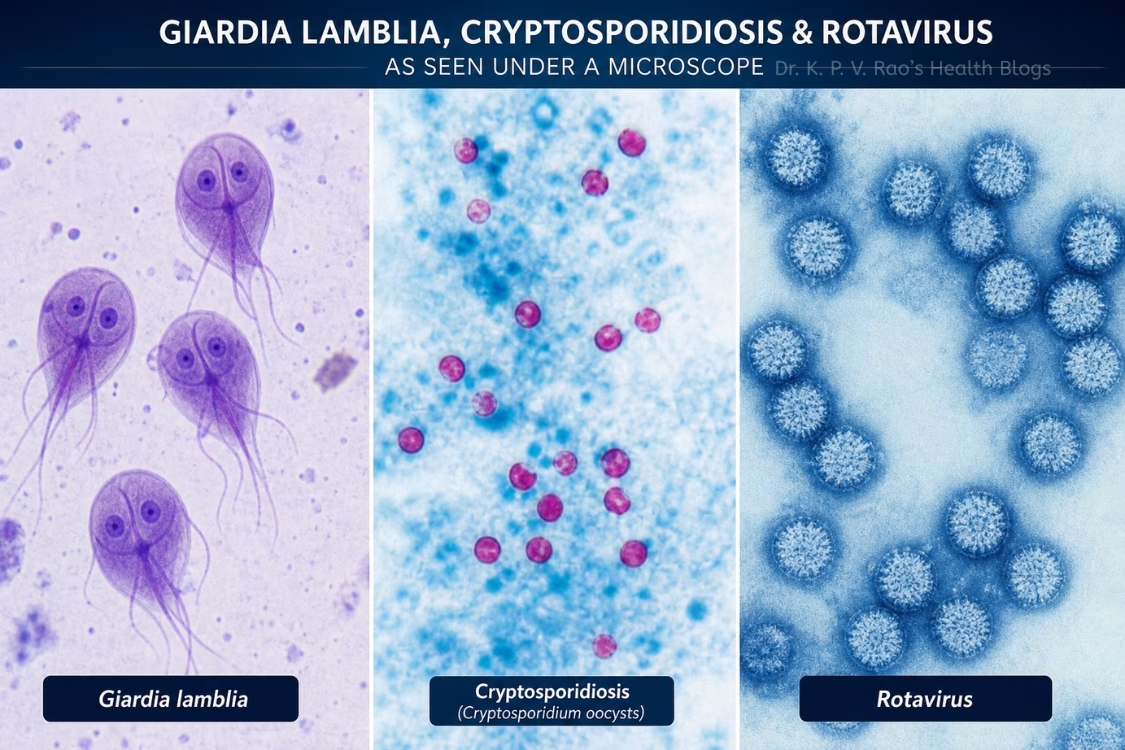
Learn about these 3 organisms that can disrupt your healthy life
We now come to the last of the monsoon GI diseases, where we discuss some of the lesser known organisms that cause Gastrointestinal Diseases- Giardiasis, Cryptosporidiosis, and Rotavirus.
How Each Infection Spreads Through Water and Food During Monsoon
Giardiasis, cryptosporidiosis, and rotavirus don’t get nearly as much attention as cholera or typhoid during monsoon season — but they’re responsible for a huge chunk of GI illness cases every rainy season, especially in children.
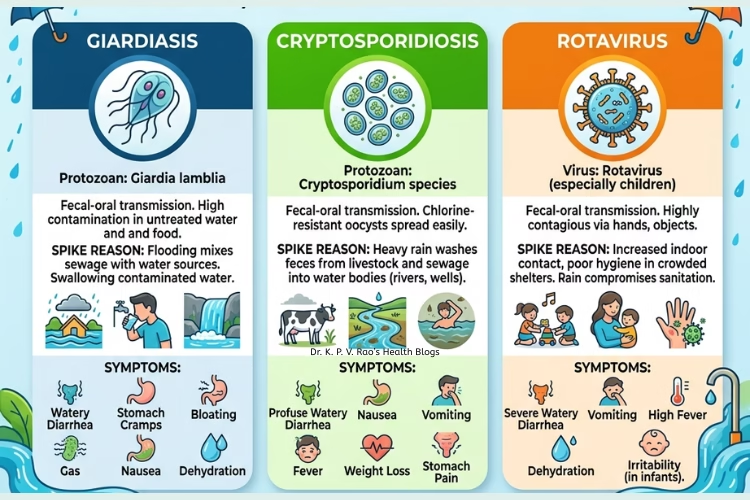
Here’s how each one finds its way into your gut:
Giardiasis is caused by Giardia lamblia, a microscopic parasite that lives in contaminated water and soil.
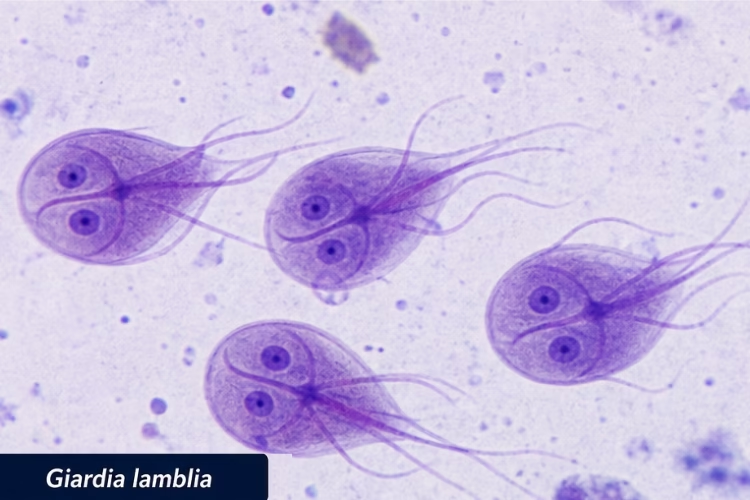
During monsoon, floodwater carries Giardia cysts from fecal matter into open wells, rivers, and unprotected municipal water supplies. Swallowing just a tiny amount of this water — even while swimming or accidentally drinking from an untreated tapwater — is enough to trigger infection.
Contaminated raw vegetables washed in infected water are another common route.
Useful article: Oxford Academic on Giardiasis
Cryptosporidiosis spreads through Cryptosporidium parasites, which are notoriously resistant to standard chlorine-based water treatment.
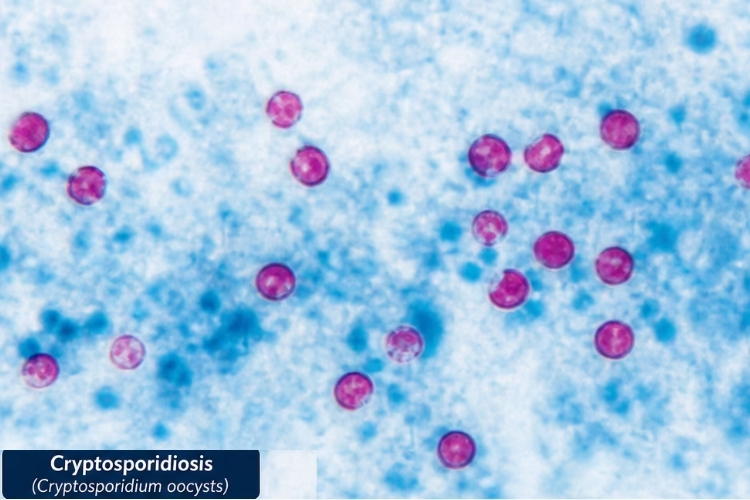
Heavy monsoon rains wash agricultural runoff, animal feces, and sewage into water sources, creating conditions where Crypto thrives.
What makes this parasite especially dangerous is that even treated tap water may not always be safe during peak flooding events.
Ready-to-eat street food prepared with contaminated water is a major source of transmission during the rainy season.
Useful article: Cleveland Clinic on Cryptosporidiosis
Rotavirus spreads primarily through the fecal-oral route, meaning the virus passes from contaminated hands, surfaces, and food into the mouth.
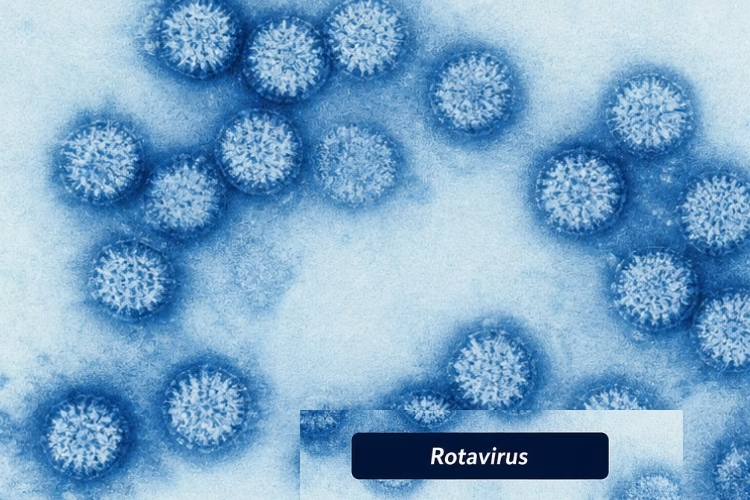
Monsoon humidity and waterlogging create conditions where rotavirus survives longer on surfaces — kitchen counters, door handles, shared utensils — making person-to-person spread faster and easier.
Contaminated drinking water and poorly handled food at roadside stalls amplify the risk significantly.
All three pathogens share a common trait: they need very low infectious doses. You don’t need to drink a glassful of contaminated water. A few sips, a small bite of improperly handled food, or one unwashed hand touching your mouth can be enough.
Useful resource: Mayo Clinic on Rotavirus
Groups Most at Risk and Why Children Face the Highest Danger
While anyone can pick up these infections during monsoon, some groups are far more vulnerable than others:
| At-Risk Group | Why They’re More Vulnerable |
|---|---|
| Children under 5 | Immature immune systems; rotavirus causes severe dehydration quickly in toddlers |
| Elderly adults | Weakened immunity and pre-existing health conditions slow recovery |
| Immunocompromised individuals | HIV/AIDS patients, cancer patients on chemotherapy, transplant recipients struggle to clear Cryptosporidium and Giardia |
| Pregnant women | Giardiasis can cause nutritional malabsorption, affecting fetal development |
| Travelers and migrants | No prior exposure means no immunity against locally circulating strains |
| People in flood-affected areas | Direct contact with sewage-contaminated floodwater dramatically increases exposure |
Children bear the heaviest burden for very specific reasons.
In the case of rotavirus, children under 5 account for the overwhelming majority of severe cases worldwide. Their immune systems haven’t yet built up the antibodies needed to fight off the virus efficiently.
When a child gets hit with rotavirus diarrhea, fluid loss happens at an alarming rate — a toddler can become critically dehydrated within 24 to 48 hours.”
Giardia is particularly insidious in children because even after the acute illness passes, chronic infection can interfere with nutrient absorption, quietly stunting growth and causing developmental issues over time.
For immunocompromised individuals, cryptosporidiosis is especially dangerous. In healthy adults, it usually resolves on its own within a few weeks.
But in someone with a compromised immune system, the infection can become chronic, life-threatening, and extremely difficult to treat since there are limited effective drugs against Cryptosporidium.
Practical Prevention Habits That Shield Your Gut From All Three Infections
The good news is that a few consistent habits go a long way in protecting against all three infections simultaneously.
Water Safety First
- Boil drinking water for at least one minute, or use a high-quality water filter rated to remove parasites (look for filters with a pore size of 1 micron or less — standard filters won’t catch Cryptosporidium)
- Avoid drinking from open wells, rivers, or any unboiled tap water during and after heavy rain
- Use bottled water from sealed, reputable brands if you’re unsure about your local supply
- Don’t make ice from unboiled or untreated water — Giardia and Crypto survive freezing temperatures
Food Handling and Kitchen Hygiene
- Wash all raw vegetables and fruits with boiled or filtered water, not tap water
- Avoid street food and raw salads from vendors during peak monsoon months, especially items prepared with untreated water
- Cook food thoroughly — heat destroys all three pathogens
- Avoid unpasteurized dairy products, which can harbor rotavirus and Giardia
Personal Hygiene
- Wash hands with soap for at least 20 seconds before eating, after using the toilet, after changing diapers, and after coming indoors from flooded streets — hand sanitizer alone is not effective against Giardia and Cryptosporidium cysts
- Avoid swallowing water while bathing or swimming in rivers and lakes during monsoon
- Keep children away from floodwater play, which looks fun but is essentially direct contact with raw sewage
Vaccination
- The rotavirus vaccine is highly effective and is part of the childhood immunization schedule in many countries.
- If your child hasn’t received it, speak to your pediatrician — it can significantly reduce the risk of severe rotavirus illness during monsoon GI disease season
- There are currently no vaccines for Giardia or Cryptosporidiosis, making water and food hygiene the only lines of defense against these two
When Symptoms Demand Immediate Testing and Professional Diagnosis
Not every bout of loose stool during monsoon is just a minor stomach upset. Certain warning signs mean you need to see a doctor quickly rather than waiting it out at home.
Watch out for these red flags:
- Persistent diarrhea lasting more than 3 days — Giardia infections in particular can drag on for weeks if untreated, and rotavirus diarrhea in children can escalate rapidly
- Foul-smelling, greasy stools — This is a hallmark sign of Giardia, where fat absorption is disrupted, making stools float and appear oily or pale
- Severe or worsening abdominal cramping — Especially if accompanied by bloating and excessive gas, which are classic Giardia symptoms
- Signs of dehydration — Dry mouth, sunken eyes, reduced urination, dizziness, or in children, no tears when crying and a sunken fontanelle. Dehydration from rotavirus in young children is a medical emergency
- Fever above 38.5°C (101.3°F) — Especially in children — this signals the body is fighting a serious infection
- Blood in stool — While less common with these three infections compared to dysentery, blood in the stool is never something to dismiss without evaluation
- Symptoms in immunocompromised individuals — Even mild-seeming symptoms should be evaluated promptly because Cryptosporidiosis can rapidly become severe
Diagnostic Tests Your Doctor May Order:
Stools examination is a gold standard in diagnosing these 3 diseases. These are the findings you’ll see if stools examination has been done:
| Test | What It Detects |
|---|---|
| Stool Ova and Parasite (O&P) exam | Detects Giardia cysts and Cryptosporidium oocysts under microscopy |
| Giardia antigen test (ELISA or rapid test) | More sensitive than standard O&P for Giardia detection |
| Cryptosporidium antigen test | Specifically identifies Cryptosporidium with high accuracy |
| Rotavirus antigen test | Rapid stool antigen test for rotavirus, commonly used in children |
| PCR-based stool panel | Highly sensitive molecular test that can detect all three pathogens simultaneously |
Getting the right diagnosis matters because treatment differs across the three infections. Here is a brief information of the treatment your doctor might prescribe:
Giardiasis responds well to metronidazole or tinidazole.
Cryptosporidiosis in healthy individuals is often managed supportively, but immunocompromised patients may need nitazoxanide.
Rotavirus treatment is almost entirely supportive — oral rehydration therapy (ORS) is the backbone of management, and the goal is preventing dangerous dehydration while the immune system clears the virus.
Disclaimer:
The information in this article is intended for reference purposes only, is informative in nature, and is not intended as individual advice.
I advise consultation with a qualified health professional or your family physician to assess your individual health concerns.”
Early testing during monsoon GI disease season prevents complications, stops household spread, and gets people back to health faster. When in doubt, get it checked — especially if a young child or elderly family member is unwell.
Summary
To summarize, let’s watch this short video:
Final Words
Here we end our series on the 7 monsoon GI diseases. I hope you have found these articles useful. If yes, do share it on your social media groups.
You can also share your feedback in the comments.
Thank you for reading.
Adios.
