

In my last article, I wrote about the Myths in Weight Loss because of which 90% Indians fail in their strategy to lose weight. In this article we carry on forward with appropriate solutions to those myths and help you get to your target weight loss.
Hello friends, this again Dr. K. P. V. Rao, your friendly neighbhourhood doctor-writer presenting you with those solutions amentioned above.
Portion Control Mistakes That Derail Weight Loss Goals
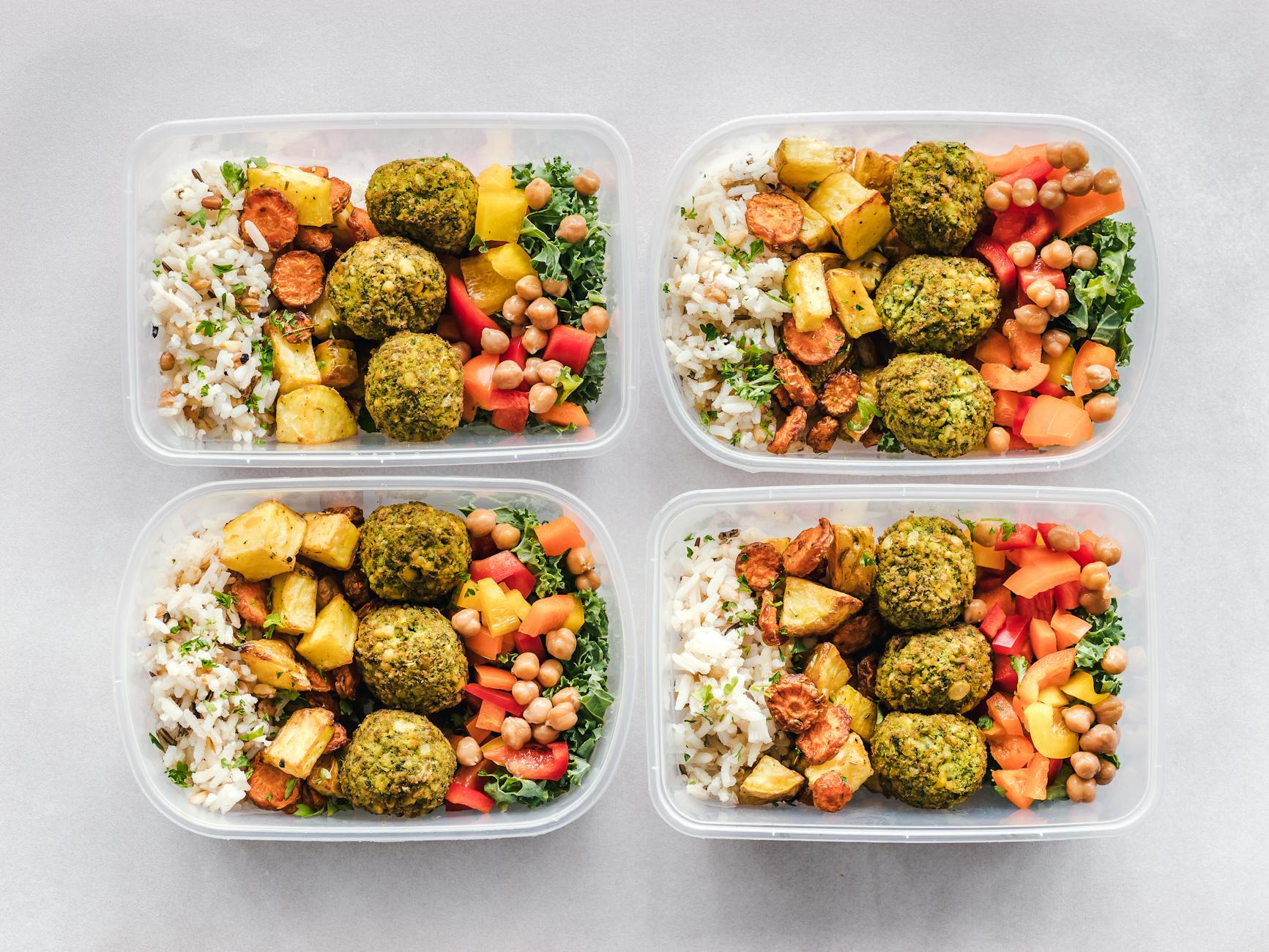
Eating Until Completely Full Instead of Satisfied
Most Indians have been taught from childhood to finish everything on their plate, often hearing phrases like “pet bhar ke khao” (eat your fill).
This cultural programming creates a major roadblock for weight loss mistakes Indians commonly make.
Your brain needs about 20 minutes to register fullness, but many people eat so quickly that they’ve already consumed excess calories before their satiety signals kick in.
The difference between satisfied and full is crucial for Indian food weight management. Satisfied means you’re no longer hungry and feel comfortable.
Full means you’ve eaten past your body’s actual needs. When you eat until completely full, you’re likely consuming 20-30% more calories than necessary.
This seemingly small difference can add up to several pounds of weight gain over months.
Helpful Topic- Eat Until You Are 80% Full
Practice eating slowly and putting your fork down between bites. Stop when you feel about 80% full – this is the sweet spot where you’re satisfied but not overstuffed. Your grandmother’s advice to eat well doesn’t mean eating excessively.
Using Large Plates and Bowls That Encourage Overeating
Traditional Indian thalis and large dinner plates trick your brain into thinking you need more food than you actually do.
Research shows that people consume up to 22% more food when using larger plates. The visual perception of a half-empty large plate makes your brain think you’re being deprived, even when the actual food quantity is adequate.
Portion control Indian diet strategies should include switching to smaller plates – ideally 9-10 inches instead of 12 inches. Use smaller bowls for rice, dal, and curries.
This simple change makes the same amount of food look more substantial, helping you feel psychologically satisfied with appropriate portions.
Many Indian households still use the large steel plates from previous generations when food scarcity was a real concern. Today’s abundance requires different tools for managing intake.
Ignoring Hidden Calories in Cooking Methods and Condiments
Indian cooking methods often involve generous amounts of oil, ghee, and cream that dramatically increase calorie content.
A simple dal that could be 150 calories per serving becomes 300+ calories with excessive tempering oil.
Many people focus only on the main ingredients while completely overlooking these cooking additions.
Common weight loss mistakes Indians make include:
- Using 2-3 tablespoons of oil for tempering when 1 teaspoon would suffice
- Adding cream or coconut milk to curries without accounting for calories
- Liberally using ghee on rotis and rice
- Not measuring oil used in cooking
Pickles, chutneys, and papad add significant calories that most people don’t track.
A single tablespoon of mango pickle contains around 50 calories, mainly from oil. These “small additions” can easily add 200-300 calories to your daily intake.
Switch to cooking sprays [although I do not endorse using it] , use non-stick pans to reduce oil needs, and measure cooking fats instead of free-pouring. Choose fresh chutneys over oil-based ones when possible.
Failing to Measure Actual Serving Sizes
Most Indians guess portion sizes rather than measuring them, leading to consistent overeating.
What many consider “one roti” might actually be 1.5 standard servings.
A “small bowl” of rice often contains 2-3 actual servings. These measurement errors compound throughout the day, sabotaging sustainable weight loss efforts in Indians.
Common portion size mistakes:
| Food Item | What People Think | Actual Serving |
|---|---|---|
| Cooked Rice | 1 cup | 1/2 cup (90-100g) |
| Dal/Curry | 1 large bowl | 3/4 cup (150ml) |
| Chapati | 1 medium | 6-inch diameter |
| Oil for cooking | “Little bit” | 1 teaspoon (5ml) |
| Nuts | Handful | 1/4 cup (30g) |
Use measuring cups and a kitchen scale for at least two weeks to recalibrate your understanding of proper portions.
Many discover they’ve been eating double the appropriate amounts. Once you’ve trained your eye, you can estimate more accurately without constant measuring.
The key to portion control Indian diet success lies in understanding that traditional large servings were designed for people with much higher physical activity levels than most modern Indians maintain.
Lifestyle Factors That Block Sustainable Weight Management

Prioritizing Work Over Consistent Sleep Schedules
Your demanding 12-hour workdays might feel productive, but they’re secretly sabotaging your weight loss efforts.
Most Indians chase career goals while treating sleep as optional, not realizing that inadequate rest directly triggers weight gain through hormonal chaos.
When you consistently sleep less than 7 hours, your body produces more ghrelin (hunger hormone) and less leptin (satiety hormone).”
This hormonal imbalance makes you crave high-calorie foods, especially refined carbs and sweets. Your metabolism slows down by 5-10%, making it harder to burn calories efficiently.
The cultural pressure to work late hours compounds this problem.
Many professionals skip sleep to meet deadlines, then wonder why their weight loss stalls despite following strict diets.”
Poor sleep also increases cortisol levels, promoting belly fat storage – exactly what you’re trying to lose.
Sleep Quality vs Weight Loss Impact:
| Sleep Duration | Metabolism Rate | Hunger Hormones | Weight Loss Success |
|---|---|---|---|
| 4-5 hours | Decreased 10% | Severely disrupted | 30% less effective |
| 6-7 hours | Decreased 5% | Moderately affected | 50% less effective |
| 7-9 hours | Optimal | Balanced | Maximum effectiveness |
Create non-negotiable sleep boundaries. Set a digital curfew 1 hour before bed, keep your bedroom temperature cool, and maintain consistent sleep-wake times even on weekends.
Eating While Distracted by Television or Mobile Devices
Scrolling through Instagram while eating dinner has become the norm for millions of Indians, but this habit destroys your body’s natural hunger cues.
When your attention splits between food and screens, you miss crucial satiety signals that prevent overeating.
Research shows distracted eating leads to consuming 25-30% more calories per meal.
Your brain needs 20 minutes to register fullness, but when you’re watching TV or checking messages, this process gets disrupted. You end up finishing entire plates without realizing you’re satisfied.
Many Indian families gather around the television during meals, creating a generational pattern of mindless eating.”
This cultural shift from traditional mindful eating practices contributes to portion control mistakes that derail weight loss goals.
Common Distracted Eating Scenarios:
- Watching daily soaps during lunch
- Scrolling social media while snacking
- Working on laptops during breakfast
- Playing mobile games during dinner
- Reading news articles while eating
Practice mindful eating by eliminating all screens during meals. Focus on food textures, flavors, and your body’s hunger signals. This simple change can reduce calorie intake by 15-20% without feeling deprived.
Neglecting Stress Management and Its Impact on Weight Gain
Chronic stress acts like a weight loss kryptonite, yet most Indians ignore this connection while focusing solely on diet and exercise. High stress levels trigger cortisol release, which promotes fat storage around your midsection and increases cravings for comfort foods.
The typical Indian lifestyle involves multiple stressors:
- traffic jams,
- work pressure,
- family responsibilities, and
- financial concerns.
Your body can’t differentiate between these modern stressors and actual physical threats, so it responds by storing energy (fat) for survival.
Stress eating becomes a coping mechanism, leading to mindless consumption of high-calorie Indian comfort foods like samosas, jalebis, or extra servings of rice.”
Many people eat emotionally without recognizing the pattern, then blame lack of willpower for their weight gain.
Stress-Weight Gain Connection:
- Elevated cortisol increases appetite by 25%
- Stress triggers cravings for sugary, fatty foods
- Poor stress management reduces sleep quality
- Chronic stress slows metabolism by 8-15%
Emotional eating adds 300-500 extra daily calories.
Incorporate stress-reduction techniques into your routine: 10-minute daily meditation, evening walks, deep breathing exercises, or practicing yoga. Regular stress management can improve weight loss results by 40% compared to diet and exercise alone.
Building sustainable weight management requires addressing these lifestyle factors alongside dietary changes and physical activity.

Conclusion
Most Indians struggle with weight loss because they follow outdated advice that simply doesn’t work.
From believing that skipping meals speeds up fat loss to thinking traditional foods can’t be part of a healthy diet, these myths keep people stuck in frustrating cycles.
The biggest game-changers are usually the simplest ones – eating regular, balanced meals instead of starving yourself, learning proper portion sizes, and finding exercises you actually enjoy doing consistently.
The path to lasting weight loss isn’t about following extreme diets or copying what worked for someone else.
Start by questioning the weight loss “rules” you’ve always believed, especially around Indian foods and eating patterns.
Focus on building sustainable habits that fit your lifestyle rather than fighting against your culture and preferences.
Small, consistent changes in how you eat, move, and think about food will get you much better results than any quick-fix approach ever could.
Final words
If you have found this article useful, do give it a thumbs up by sharing it on social media using the icons below this article.
Adios.
