
Gastroenteritis in Monsoon: The Foods, Waters, Warning Signs, and Recovery Essentials You Must Know
Gastroenteritis is the single most common gastrointestinal illness people suffer during the monsoon.
It flares up every rainy season because moisture, flooding, and contaminated water create the perfect environment for germs to multiply.
The condition involves inflammation of both the stomach and intestines and is usually caused by bacteria such as Salmonella, E. coli, Campylobacter, and viruses like norovirus and rotavirus.
These bacteria and viruses produce what we in medical field call ‘Exotoxin or Enterotoxin’, which is responsible for all the gastrointestinal symptoms and signs of gastroenteritis.”
During monsoon, drainage systems overflow, sewage mixes with floodwater, and food gets exposed to humidity — all of which dramatically increase the risk of contamination.
Most cases start from something a person ate or drank without realizing it was unsafe.
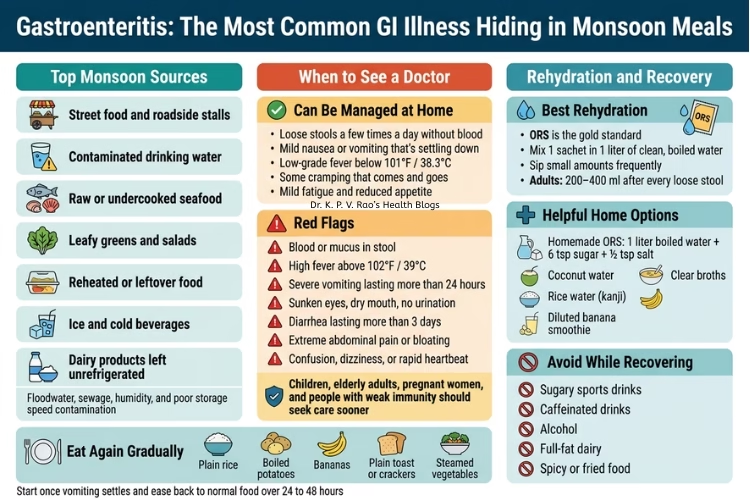
1. Top Food and Water Sources That Spread Gastroenteritis
Street Food and Roadside Stalls
Street food becomes especially risky in monsoon because humidity allows bacteria to multiply rapidly.
Foods left uncovered — chaat, cut fruits, golgappas, fried snacks — attract flies and get contaminated within hours.”
Many stalls prepare food using unclean water or with unwashed hands, making them high‑risk sources.
Disclaimer
The information in this article is intended for reference purposes only, is informative in nature, and is not intended as individual advice. I advise consultation with a qualified health professional or your family physician to assess your individual health concerns“
Contaminated Drinking Water
Pipe leaks are common during monsoon. When floodwater enters damaged pipelines, bacteria seep into the water supply.
Even filtered water may not be safe if the source itself is contaminated.
People often assume their home filters protect them, but filters cannot remove all pathogens if the incoming water is already compromised.
Boiling the filtered water thoroughly is a better option as it kills most of the viruses and bacteria that may have filtered through.”
Is Gastroenteritis contagious?
Gastroenteritis is contagious primarily through the fecal-oral route. This can occur by consuming contaminated food or water, or by coming into direct contact with an infected person.
Additionally, touching surfaces contaminated with the virus or bacteria and then touching the mouth can also lead to infection.
Shellfish are notorious for causing gastroenteritis because they filter-feed in polluted water. If the water body is contaminated, the pathogens accumulate inside the seafood.
Eating raw or half-cooked fish, prawns, or shellfish during monsoon significantly increases infection risk.
Leafy Greens and Raw Salads
Rain splash carries soil bacteria onto vegetable surfaces. Leafy greens like spinach, lettuce, coriander, and cabbage trap moisture and dirt easily.
Eating them raw without thorough washing exposes you to harmful microbes. Salads from restaurants or street vendors are especially risky.”
Reheated or Leftover Food
Warm, humid air accelerates food spoilage. Leftovers kept at room temperature for even a few hours can harbor dangerous bacteria.
Reheating kills some germs but not all toxins produced by bacteria. Many monsoon gastroenteritis cases start from “last night’s food” that seemed fine but wasn’t.
Ice and Cold Beverages
Ice is a hidden culprit. If the water used to make ice is contaminated, the ice carries the same germs. Cold beverages from stalls, roadside juice vendors, or restaurants using unfiltered ice can easily trigger infection.
Spoiled Dairy Products
Milk, paneer, curd, and cream spoil faster in humid weather. Consuming dairy that has been left out even briefly can cause severe stomach upset. Many people underestimate how quickly dairy goes bad during monsoon.
2. When a Stomach Upset Is Mild — and When It Needs Medical Attention
Most bacterial gastroenteritis cases resolve within two to three days.
The challenge is knowing when symptoms are mild and manageable at home versus when they indicate something more serious.
Symptoms of Gastroenteritis You Can Usually Manage at Home
These signs suggest a typical stomach infection that improves with rest and hydration:
- Loose stools a few times a day without blood
- Mild nausea or vomiting that is settling
- Low-grade fever below 101°F (38.3°C)
- Cramping that comes and goes
- Mild fatigue and reduced appetite
These symptoms respond well to fluids, ORS, and a bland diet.
Red Flags That Require Medical Attention
Some symptoms indicate a more severe infection or dehydration. These should not be ignored:
| Warning Sign | Why It Matters |
|---|---|
| Blood or mucus in stool | Could indicate dysentery or a serious bacterial infection |
| High fever above 102°F (39°C) | Suggests systemic bacterial infection like Salmonella |
| Severe vomiting > 24 hours | Prevents hydration and causes dangerous fluid loss |
| Sunken eyes, dry mouth, no urination | Classic signs of severe dehydration needing IV fluids |
| Diarrhea lasting > 3 days | Infection may not be resolving on its own |
| Extreme abdominal pain or bloating | Could indicate complications beyond simple gastroenteritis |
| Confusion, dizziness, rapid heartbeat | Signs of shock from dehydration — medical emergency |
Certain groups — children, elderly adults, pregnant women, and people with weak immunity — should seek medical care early even if symptoms seem mild. Their bodies cannot tolerate dehydration as well as healthy adults.
3. Rehydration: The Most Important Part of Recovery
The biggest danger in gastroenteritis is not the infection itself but the loss of fluids and electrolytes. Diarrhea and vomiting rapidly deplete sodium, potassium, chloride, and water. Drinking plain water alone does not replace these minerals effectively.
Oral Rehydration Solution (ORS): The Gold Standard
ORS is the most effective treatment for dehydration caused by gastroenteritis. It contains the right balance of glucose and sodium, which helps the intestines absorb water efficiently.
Key points:
- WHO-recommended ORS sachets are available at all pharmacies
- Mix one sachet in 1 liter of clean, boiled water
- Sip small amounts frequently — gulping can trigger vomiting
- Adults should aim for 200–400 ml ORS after each loose stool episode
Effective Homemade Rehydration Options
If ORS is not available, these home remedies help restore fluids and electrolytes:
- Homemade ORS: 1 liter boiled water + 6 teaspoons sugar + ½ teaspoon salt
- Coconut water: Rich in potassium; gentle on the stomach
- Rice water (kanji): Soothing and provides carbohydrates- add a pinch of salt to the kanji
- Diluted banana smoothie: Bananas contain pectin and potassium. This solidifies the stools and recovers potassium lost due to vomiting.
- Clear broths: Provide sodium and are easy to digest
- Curd or buttermilk: Add this to rice with a pinch of salt- provides natural probiotic or useful bacteria
What to Avoid During Recovery
Some foods and drinks worsen symptoms:
- Sugary sports drinks — too much sugar, too little sodium
- Caffeinated beverages — increase gut motility
- Alcohol — dehydrates and irritates the gut
- Full-fat dairy — difficult to digest when the gut is inflamed
- Spicy or fried foods — irritate the digestive tract
Eating During Recovery
Modern evidence shows that eating light foods helps the gut heal faster. Once vomiting settles, start with:
- Plain rice
- Boiled potatoes
- Bananas
- Toast or crackers
- Steamed vegetables
These foods are easy to digest and help absorb excess fluid in the gut. Gradually return to your normal diet over 24–48 hours.
Useful articles:
In Summary
To summarize, let’s watch this short video-
Monsoon increases the risk of gastroenteritis because food and water contamination becomes more common.
Street food, contaminated water, raw seafood, salads, leftovers, ice, and spoiled dairy are the biggest culprits.
Most cases are mild, but certain warning signs require medical attention.
The cornerstone of recovery is proper rehydration using ORS or effective homemade alternatives. Eating light, easy-to-digest foods supports faster healing.
Affiliate Disclosure
Some links in this article are affiliate links. This means:
- If you click a link and make a purchase, I may earn a small commission.
- You pay nothing extra—your price stays the same.
- Your purchase helps support this site and keeps new content coming.”
Thank you for your support
Final Words
You can make this article accessible to all your friends by sharing it through the social media icons at the end of this article.
Share it on X:
Gastroenteritis: The Most Common GI Illness Hiding in Monsoon Meals Share on XAdios.
