
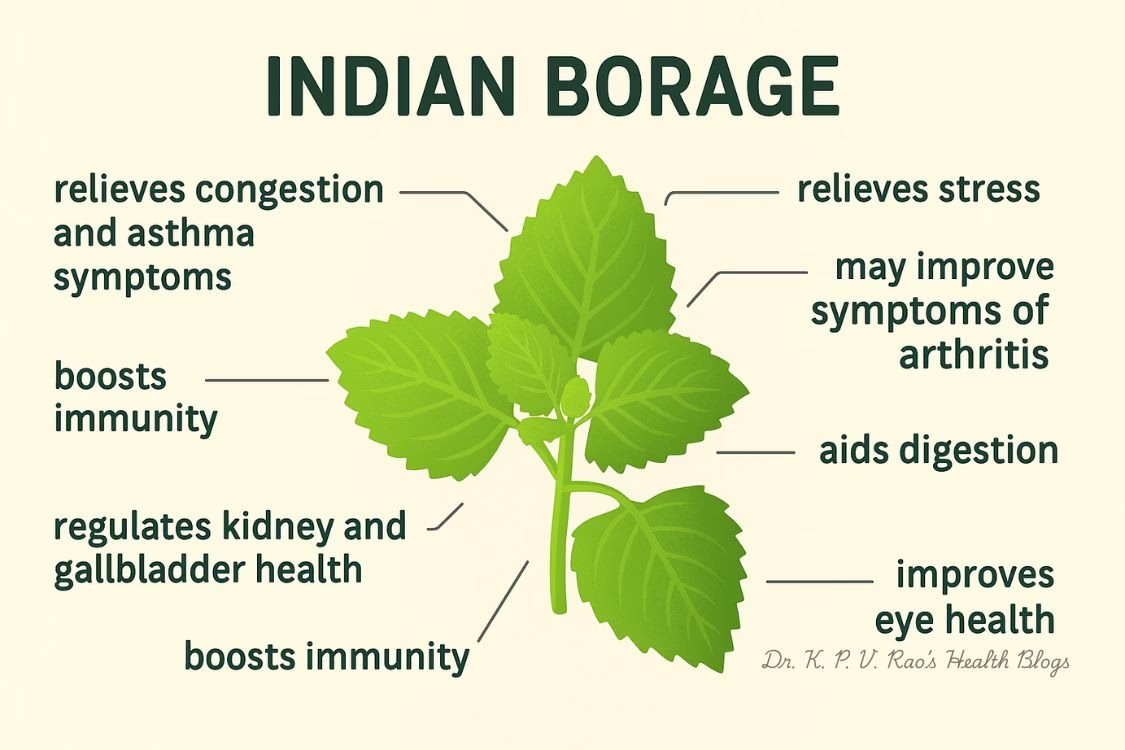
Introduction to Indian Borage and Its 7 Benefits
Hello friends,
In one of my previous article on nutrition, I had discussed about Why I prefer eating Grapes with Seeds and how it helps improve your overall health.
In today’s article, we discuss about a versatile herb- Indian Borage- used in traditional ayurveda to treat many ailments.
Indian Borage, scientifically known as Plectranthus amboinicus, is a perennial herb treasured for its vibrant green, succulent leaves and aromatic properties.
It is commonly recognized by various names across regions in India, including “Ajwain Patta” in Hindi, “Karpooravalli” in Tamil, and “Indian Oregano” in some parts of the world due to its resemblance to the culinary herb.
This plant thrives in tropical climates; it grows readily in gardens, on your balcony, and even as indoor greenery, making it a versatile addition to any space.
Understanding the benefits of Indian Borage can help you appreciate this herb even more.
Disclaimer:
The information in this article is intended for reference purposes only, is informative in nature, and is not intended as individual advice. It is based on research and personal experience and is not a substitute for professional medical advice. Consult a qualified medical professional if you intend to use this information.”
How is Indian Borage used?
The cultural significance of Indian Borage extends beyond mere aesthetics.
Traditionally, it has been utilized in Indian cuisine as a flavor enhancer, imparting a distinct taste to dishes such as curries, soups, and stews.
Its robust, pungent flavor bears similarities to that of thyme, mint and oregano, thus earning its place in numerous culinary traditions.
Furthermore, Indian Borage holds a prominent position in herbal medicine, where it is believed to possess properties that
- aid digestion,
- treat respiratory issues like cold and cough, and
- enhance overall wellness.
Botanically, Indian Borage is characterized by fleshy leaves that exhibit a velvety texture, along with small white to purple flowers that bloom in clusters.
The plant prefers well-drained soil and is often found in varying habitats, including rocky terrains and agricultural lands. Its adaptability to different environments is one of the reasons it is widely cultivated and celebrated across India.
Often, gardeners cultivate Indian Borage not only for its culinary uses but also for its potential medicinal properties, adding to its allure as a multifaceted herb. The plant symbolizes a connection between nature and health, marking its importance in both everyday life and traditional practices.
Why Indian Borage Deserves a Spot in Your Garden

Indian Borage (Plectranthus amboinicus), also known as Cuban oregano or ajwain patta, is more than just a fragrant, fleshy-leaved herb—it’s a natural remedy powerhouse that belongs in every herbal enthusiast’s garden. I have included the instructions on how to grow this plant in your garden in the above image.
🌿 Healing at Your Fingertips
Traditionally used in Ayurvedic and folk medicine, Indian Borage is known for its soothing properties. Its leaves are rich in essential oils that help relieve respiratory issues like cough, asthma, and bronchitis. A simple leaf infusion or steam inhalation can offer gentle, natural relief.
🌱 Easy to Grow, Hard to Ignore
This hardy plant thrives in warm climates and requires minimal care. It grows well in pots or garden beds, making it perfect for balconies, backyards, or kitchen gardens. Its thick leaves and trailing stems also add visual charm.
🍵 Culinary and Wellness Uses
Beyond medicine, Indian Borage adds flavor to soups, teas, and chutneys. Its slightly pungent, oregano-like taste complements traditional Indian dishes and herbal brews. It’s also used topically for insect bites and skin irritation.
🌸 A Garden Ally for All Seasons
Whether you’re cultivating a healing garden or simply want a low-maintenance, multipurpose herb, Indian Borage offers beauty, utility, and wellness in one leafy package.
Let this humble herb be your green companion—rooted in tradition, blooming with benefits.
Health Benefits of Indian Borage
Indian borage, also known as plectranthus amboinicus or Mexican mint, is a succulent herb revered for its myriad health benefits across traditional and modern medicine.
There are many uses attributed to this plant, but here we will discuss only 7 of the important benefits of this plant.
7 Benefits of Indian Borage
1. Reduces Inflammation
This versatile plant is recognized for its significant anti-inflammatory properties, helping to alleviate symptoms related to various conditions such as arthritis and gout.
The presence of essential oils in Indian borage contributes to its effectiveness in reducing inflammation, thus promoting overall wellness.
2. Fights Infection
Furthermore, Indian borage is celebrated for its antimicrobial properties. Studies have shown that extracts from this herb can inhibit the growth of several pathogenic microorganisms, making it a potential natural remedy for infections.
Its ability to combat bacteria and fungi enhances its value as a health booster, especially in a region where traditional medicine often prioritizes herbal solutions.
By integrating it into daily health regimens, individuals may find a robust ally in maintaining their immune health.
3. Acts as an Antioxidant
The antioxidant effects of Indian borage cannot be overlooked. Antioxidants play a crucial role in protecting the body from oxidative stress, which can lead to chronic diseases.
The consumption of this herb can therefore help in mitigating these risks. Additionally, Indian borage may also aid in improving respiratory health.
4. Improves Cough and Respiratory Congestion
The herb is traditionally used to relieve cough and respiratory congestion, offering a natural solution for those suffering from related issues.
5. Improves Digestive Health
Moreover, its efficacy in promoting digestive health has been supported by anecdotal evidence and preliminary studies, suggesting its potential to alleviate digestive disorders such as bloating and indigestion.
6. Improves Sleep
Indian borage may improve sleep by reducing anxiety, promoting relaxation, and potentially enhancing overall sleep quality. Its calming properties due some essential oils present in the leaves can help create a more restful environment conducive to sleep.
7. Relieves Urinary Tract Problems
Indian Borage extracts has shown effects on the ailments of urinary tract such as burning urination and kidney stones1.
Here is a quick video summary of the 7 benefits of Indian borage leaves-
Useful Articles-
Usage and Dosage Guidelines
Indian Borage, known for its myriad health benefits, can be utilized in various forms, including fresh leaves, dried extracts, and tinctures. Each method of preparation offers unique advantages, catering to diverse preferences and health needs.
The traditional approach often involves using fresh Indian Borage leaves to prepare herbal teas, which can be infused with other herbs for enhanced flavor and medicinal properties.
Alternatively, dried extracts can be used in capsules or powders, adding convenience for those seeking a more concentrated source of its benefits.
When considering the optimal dosage of Indian Borage, it is important to tailor the amount based on age and specific health conditions.
For adults, a common recommendation is to consume 1-2 teaspoons of fresh leaves or one teaspoon of dried leaves steeped in hot water as tea, taken 2-3 times daily. Children can be given half of these amounts.
For those using tinctures, a dose of approximately 1-2 ml is generally advised for adults, while for children, about 0.5-1 ml may be appropriate, depending on their age and body weight.
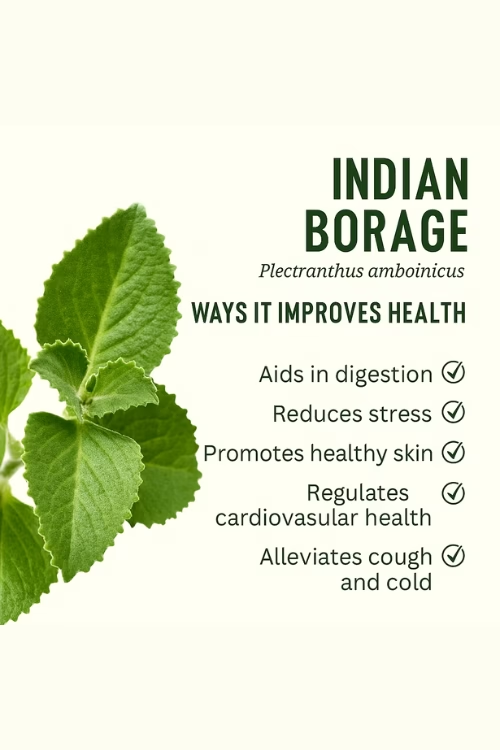
It is crucial to monitor for any adverse reactions, as with any herbal remedy. While Indian Borage is generally safe for most individuals, certain precautions should be observed.
Pregnant and breastfeeding women are advised to consult healthcare providers before using Indian Borage due to insufficient research on its effects during these stages.
Additionally, those on medications should also seek professional advice to prevent any potential interactions.
The following table outlines various health conditions that can be treated with Indian Borage, along with suitable preparations and dosages:
| Health Condition | Preparation Method | Recommended Dosage |
|---|---|---|
| Cold and Cough | Tea (fresh leaves) | 1-2 cups daily |
| Digestive Issues | Dried extract capsules | 1-2 capsules, twice daily |
| Skin Irritations | Topical oil from leaves | Apply as needed |
In conclusion, Indian Borage offers a versatile approach to enhancing health through various preparations and thoughtfully considered dosages.
Engaging with this herb can provide an array of therapeutic benefits, and adhering to the recommended guidelines ensures optimal results while minimizing potential risks.
Possible Side Effects and Precautions
While Indian borage (Plectranthus amboinicus) is renowned for its numerous health benefits, it is essential to acknowledge potential side effects and precautions associated with its use.
General consideration of this herb’s effects should be prioritized, particularly when individual health conditions may be impacted by its consumption.
Research indicates that excessive intake of Indian borage can lead to digestive issues such as diarrhea and nausea. Although these symptoms are relatively rare, it is advisable to consume this herb in moderation to mitigate any adverse effects.
Additionally, it is crucial for individuals with specific health conditions, such as those on anticoagulant medications, to approach Indian borage with caution.
This herb may possess antiplatelet properties, which could amplify the effects of blood thinners, leading to an increased risk of bleeding.
Consulting a healthcare professional before incorporating Indian borage into one’s diet is prudent for those with underlying health issues.
Moreover, pregnant and nursing women should exercise caution. Some studies suggest that large quantities of Indian borage may lead to uterine contractions, thereby posing potential risks during pregnancy.
Although culinary use (such as in small quantities for flavoring dishes) is generally considered safe, it is prudent to avoid concentrated forms, like essential oils derived from the plant.
Individuals with allergies to plants within the mint family (Lamiaceae) should also refrain from consuming Indian borage, as hypersensitivity may lead to allergic reactions.
Overall, while Indian borage can be a beneficial addition to many diets, mindfulness regarding proper usage and individual health considerations remains paramount.
It is always advisable to consult health professionals for personalized guidance, especially when considering any new herbal remedy.
Here is a short video about Indian borage-
Conclusion
In conclusion, the various health benefits attributed to Indian borage position it as an essential component of holistic health practices.
Its anti-inflammatory, antimicrobial, and antioxidant properties, combined with its utility in addressing specific health conditions, make Indian borage a valuable addition to daily health regimens in India and beyond.
Disclosure
Some of the links in this article are affiliate links. That means if you click and buy something, I may earn a small commission — at no extra cost to you. It’s a simple way to support this site and keep the content coming. Thanks for your support!
Final words
With this, I come to the end if this article. My next article is based on importance of Salt [Sodium Chloride] for our health.
You can get my latest article by sharing your email ID in the comments.
Adios.
