
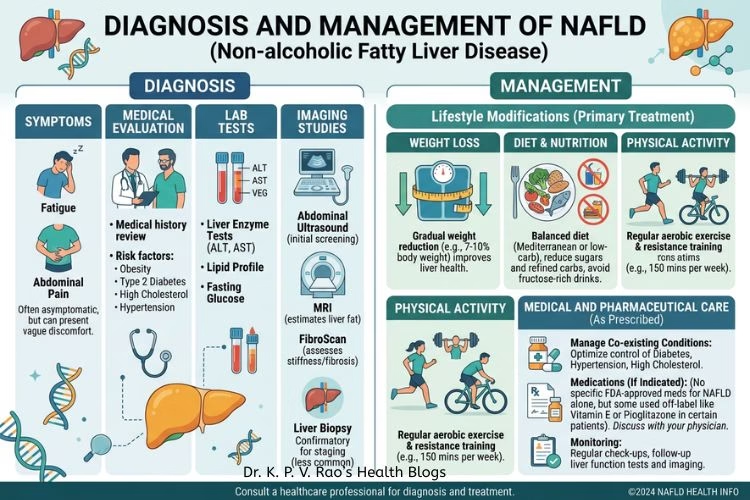
In my previous article, we discussed the causes and signs/symptoms of NAFLD. In this article we discuss how to diagnose and manage NAFLD.
Diagnosing Non-Alcoholic Fatty Liver Disease (NAFLD/MASLD)
Many people discover they have fatty liver completely by accident. Routine blood tests show abnormal liver function, especially in people who are obese or have diabetes. Your doctor sees the numbers and starts investigating.
Disclaimer
The information in this article is intended for reference purposes only, is informative in nature, and is not intended as individual advice. I advise consultation with a qualified health professional or your family physician to assess your individual health concerns.
Blood tests serve multiple purposes. They check how well your liver is working by measuring enzyme levels and other markers. They also help rule out other causes of liver disease, like hepatitis or autoimmune conditions.
Would rather prefer to listen to this article? If yes,
Listen to this article-
What are the blood tests for NAFLD and what do they indicate?
Blood tests for Non-Alcoholic Fatty Liver Disease (NAFLD) include:
- Liver Function Tests (LFTs): Measure enzymes like ALT and AST to assess liver health.
- Lipid Profile: Evaluates cholesterol and triglyceride levels, often elevated in NAFLD.
- Fasting Blood Glucose: Screens for insulin resistance, commonly associated with NAFLD.
- HbA1c: Indicates average blood sugar levels over time, helping to identify diabetes or prediabetes.
- Complete Blood Count (CBC): Assesses overall health and detects conditions like anemia or infection.
Elevated levels on these tests may suggest liver inflammation, damage, or metabolic disorders associated with NAFLD.
Other Investigations for NAFLD/MASLD
In addition to the above-mentioned blood tests, we doctors have imaging and liver biopsy done to diagnose this condition.
Imaging tests for NAFLD
Imaging tests can actually show the amount of fat in your liver which is indicated as Grade 1, 2, or 3 by the sonologist.
Ultrasound, CT scans, and MRI technology reveal deposits that shouldn’t be there. These tests are non-invasive and relatively quick.
Biopsy of Liver
A liver biopsy provides the most definitive diagnosis. Your doctor removes a tiny piece of liver tissue surgically, and the pathologist examines it under a microscope.
This procedure helps assess not just the fat, but also inflammation and damage levels. Nobody loves the idea of a biopsy, but sometimes it’s necessary to know exactly what’s happening. The diagnosis helps doctors differentiate between MASLD and MASH.
NAFLD/MASLD means you have fat without significant inflammation or damage. MASH means fat, inflammation, and liver damage are all present.”
This distinction matters because MASH needs more aggressive treatment.
Fibrosis is another critical finding. Scar tissue in your liver indicates progression toward cirrhosis. Catching fibrosis early gives you the best chance to reverse or slow the damage through lifestyle changes and medical management.”
NAFLD vs NASH: What’s the Difference?
NAFLD (now often called MASLD) means there’s fat in the liver without significant inflammation or damage. NASH (now often called MASH) means fat, inflammation, and liver damage are all present together. This distinction matters because MASH carries a higher risk of progressing to fibrosis and cirrhosis, and typically needs more aggressive lifestyle and medical management. Your doctor may use a combination of blood tests, imaging, and sometimes a liver biopsy to tell the two apart.
Managing NAFLD/MASLD
Managing Non-alcoholic Fatty Liver Disease is possible through
- simple lifestyle changes and,
- when needed, medications are prescribed by doctors.
Lifestyle Changes for NAFLD/MASLD
The most important step is losing weight gradually through healthy eating and regular exercise, as even losing 5-10% of body weight can greatly improve liver health.
People should focus on eating more fruits, vegetables, whole grains, and lean proteins while cutting back on sugary drinks, processed foods, and foods high in fat.”
Regular physical activity like walking, swimming, or cycling for at least 30 minutes most days of the week helps burn fat stored in the liver.
A practical target to aim for: 150 minutes of moderate activity per week (for example, five 30-minute walks), combined with cutting back on refined carbohydrates and added sugar, which are directly linked to fat buildup in the liver.
Since we are discussing about non-alcoholic fatty liver disease, yet the patient is drinking alcohol, then it’s very important for him/her to avoid alcohol completely and manage other health problems like diabetes and high cholesterol.”
Medications for NAFLD/MASLD
The discussion about specific medications is beyond the scope of this article. Your doctor will take a call on what is good for you.
So, we will discuss in general about some medications that might help someone recover in the early stages.
When lifestyle changes alone aren’t enough, doctors may prescribe medications to-
- help control blood sugar,
- reduce cholesterol, or
- protect the liver from further damage.
Some people might need vitamin E supplements or medications specifically designed to reduce liver inflammation.
Regular check-ups with healthcare providers are essential to monitor liver function and adjust treatment plans as needed.
Conclusion
To summarize, let’s have a look at the image below-

That’s almost all about NAFLD that you should know and how to manage or prevent it.
Remember, the key to successfully managing NAFLD is making these healthy changes part of daily life and sticking with them long-term, as the liver has an amazing ability to heal itself when given the right support through proper diet, exercise, and medical care when necessary.
Frequently Asked Questions
Doctors typically start with blood tests (liver function tests, lipid profile, fasting glucose, HbA1c) to check for abnormal liver enzymes and related metabolic issues, followed by imaging such as ultrasound, CT, or MRI to visualize fat in the liver. A liver biopsy may be used for a definitive diagnosis in more complex cases.
NAFLD (or MASLD) is fat in the liver without significant inflammation, while NASH (or MASH) involves fat, inflammation, and liver cell damage together, which carries a higher risk of progressing to cirrhosis.
In many cases, yes, especially in earlier stages. Losing 5-10% of body weight through diet and exercise can significantly improve or even reverse fat accumulation in the liver.
Liver function tests (checking ALT and AST enzyme levels) are usually the first sign, often found incidentally during routine bloodwork, though imaging is needed to confirm fat accumulation in the liver.
Not always. Blood tests and imaging are often enough for diagnosis and monitoring. A biopsy is generally reserved for cases where doctors need to assess the exact degree of inflammation, damage, or fibrosis.
Final Words
Hope you have benefited from the information provided in this article. If yes, do share it on the social media icons below.
My next article will be on some health-promoting plant compounds called Bioflavonoids and how you can get them naturally or through supplements.
Thanks for reading.
Adios.

A good article for understanding the health of your liver.