
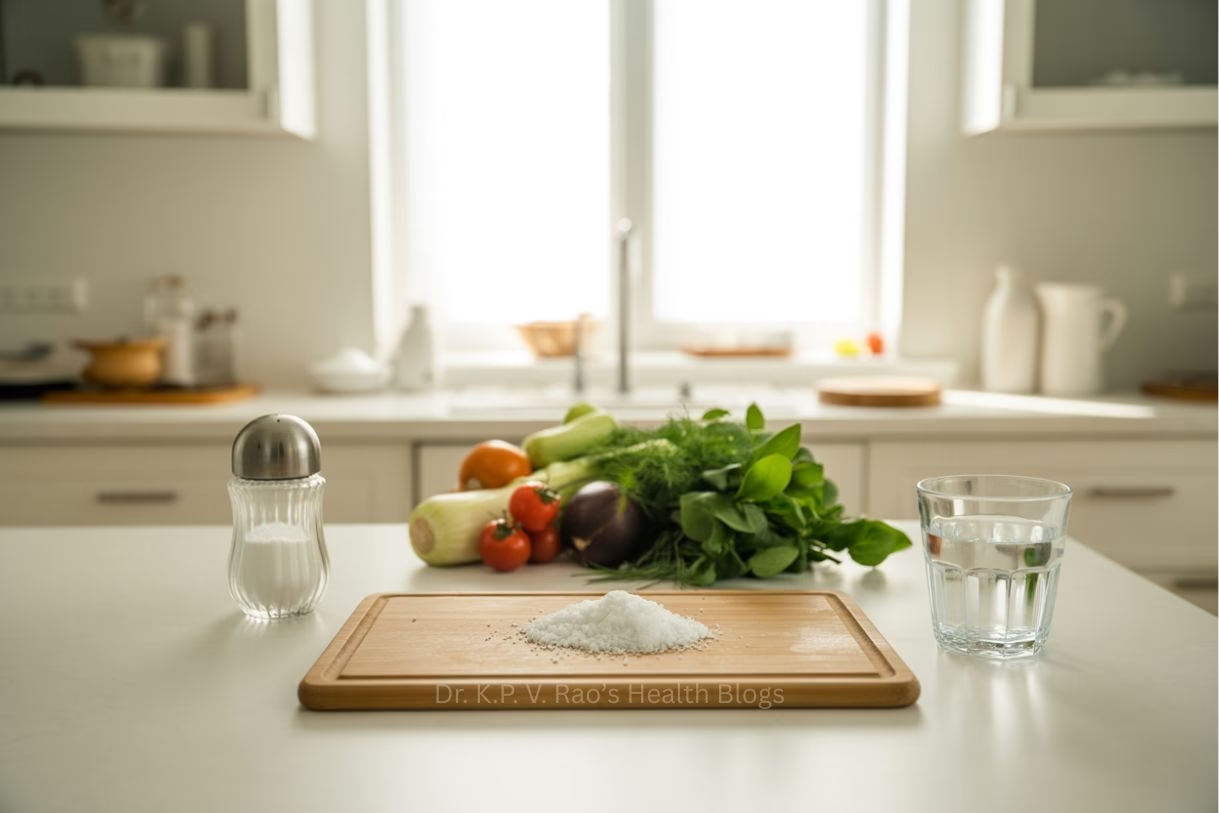
Learn how to achieve salt balance for optimal health
How to Spot the Warning Signs Your Salt Intake Is Off

Hello friends,
In my earlier article What Happens When You Eat Salt-Too Little vs. Too Much I had discussed the importance of having salt in our diet as well as the pros and cons of having too much or too less salt.
In this article, we will discuss the other aspects of salt consumption such as physical signs and symptoms and how to manage them.
So, let’s go head-
Physical symptoms that indicate a sodium imbalance
Your body sends clear warning signals when your salt intake is either too high or too low. Recognizing these symptoms early can help you adjust your sodium balance before serious health issues develop.
Low salt intake symptoms often start subtly but become increasingly noticeable. Muscle cramps, especially in your legs and feet, often occur when sodium levels fall below optimal levels.
You might experience persistent headaches, unusual fatigue that doesn’t improve with rest, and brain fog that makes concentration difficult.
Dizziness when standing up quickly and nausea without an obvious cause are also common symptoms of salt deficiency. Some people notice increased food cravings, particularly for salty snacks, as their body attempts to correct the imbalance naturally.
High sodium intake manifests differently but equally concerning symptoms. Bloating and water retention become apparent first, with your rings feeling tighter and your face appearing puffy, especially in the morning.
Persistent thirst that doesn’t seem quenchable despite drinking plenty of water is another red flag. Your blood pressure may spike, causing headaches concentrated around your temples or the back of your head.
Sleep quality often suffers due to frequent urination throughout the night as your kidneys work overtime to process excess sodium.
| Symptom Type | Low Salt | High Salt |
|---|---|---|
| Energy Levels | Fatigue, weakness | Restlessness, sleep disruption |
| Physical Signs | Muscle cramps, dizziness | Bloating, swelling |
| Cognitive | Brain fog, concentration issues | Headaches, irritability |
| Appetite | Salt cravings | Excessive thirst |
Certain symptoms require immediate medical attention rather than home management.
If you experience severe muscle weakness that prevents normal daily activities, seek professional help promptly.
Persistent vomiting or diarrhea can rapidly worsen sodium imbalances, and that needs medical intervention.
Blood pressure readings consistently above 140/90 mmHg warrant professional evaluation, especially if accompanied by severe headaches, chest pain, or vision changes. These high-sodium health effects can escalate quickly into dangerous territory.
For low-sodium situations, confusion, seizures, or loss of consciousness are emergency symptoms requiring immediate medical care.
If you’ve been following a strict low-salt diet and experience multiple symptoms simultaneously, don’t wait to see if they improve on their own.
Contact your physician or family doctor if symptoms persist despite adjusting your salt intake for more than a week. They can run blood tests like Serum Electrolytes to check your actual sodium levels and rule out underlying conditions affecting your body’s sodium regulation.
Simple self-assessment techniques you can use at home
Several practical methods can help you evaluate whether your daily sodium requirements are being met appropriately.
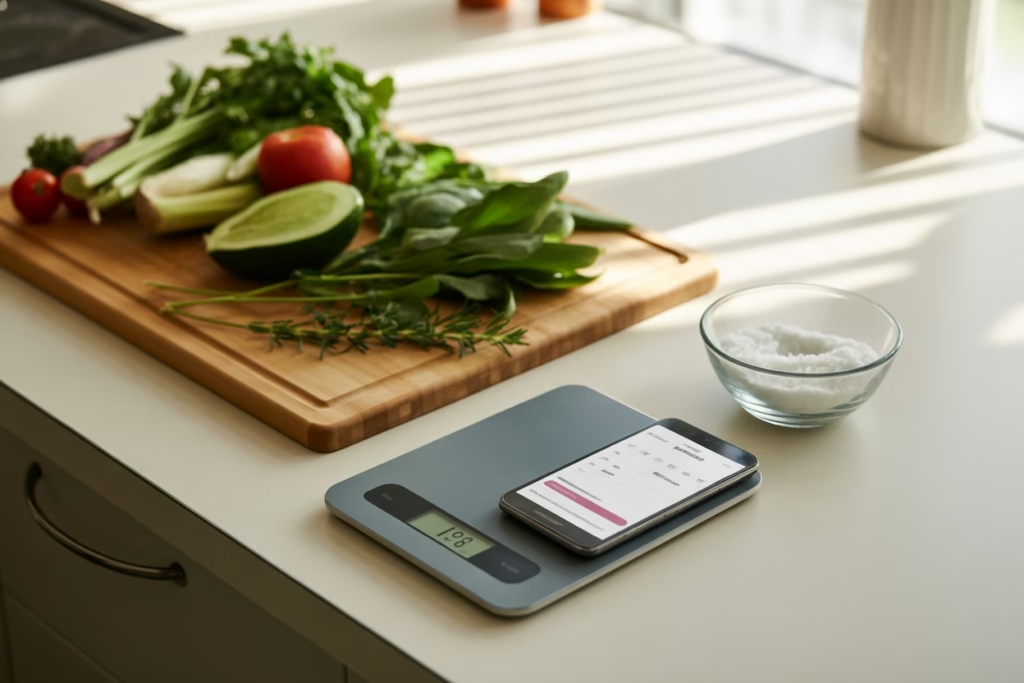
Keep a detailed food diary for one week, recording everything you eat and drink.
Most nutrition apps can calculate your sodium intake automatically, giving you concrete data about your consumption patterns.
The “pinch test” provides a quick physical assessment. Gently pinch the skin on the back of your hand for three seconds, then release. If the skin takes longer than two seconds to return to normal, you might be retaining excess water due to high salt intake.
Monitor your weight daily at the same time, preferably in the morning after using the bathroom.
Sudden weight gains of 2-3 pounds overnight often indicate water retention from excessive sodium consumption. Conversely, unexplained weight loss combined with weakness might suggest inadequate salt intake.”
Pay attention to your energy patterns throughout the day. Keep notes about when you feel energetic versus when fatigue hits.
People with sodium imbalances often notice their energy crashes don’t correspond to meal timing or sleep quality.
Check your urine color regularly. Very pale or clear urine combined with symptoms might indicate overhydration relative to sodium levels, while dark yellow urine with bloating suggests possible sodium excess.
Track your sleep quality and bathroom visits during the night.
Waking up more than twice to urinate, especially with thirst, often points toward excessive sodium intake affecting your kidneys’ normal function.”
Practical Strategies to Achieve Perfect Salt Balance

Hidden sodium lurks in countless processed foods, making it tricky to maintain optimal salt consumption. Start by checking nutrition labels religiously – sodium content can shock you.
A single can of soup often contains your entire daily sodium requirements, sometimes exceeding 2,300mg. Swap processed meats like deli turkey for fresh-cooked chicken breast. Choose fresh or frozen vegetables over canned versions, which often contain added salt for preservation.
Rinse canned beans, tuna, and vegetables under cold water to wash away excess sodium. This simple trick removes up to 40% of added salt. Replace high-sodium condiments like soy sauce with low-sodium versions or coconut aminos. Watch out for sneaky sources like bread, cheese, and restaurant meals – these contribute more sodium than most people realize.
When dining out, ask for dressings and sauces on the side. Many restaurants use excessive salt to enhance flavors quickly. Cook more meals at home, where you control every ingredient. Batch-cook on weekends to avoid relying on convenience foods during busy weekdays.
Natural alternatives to enhance flavor without excess salt
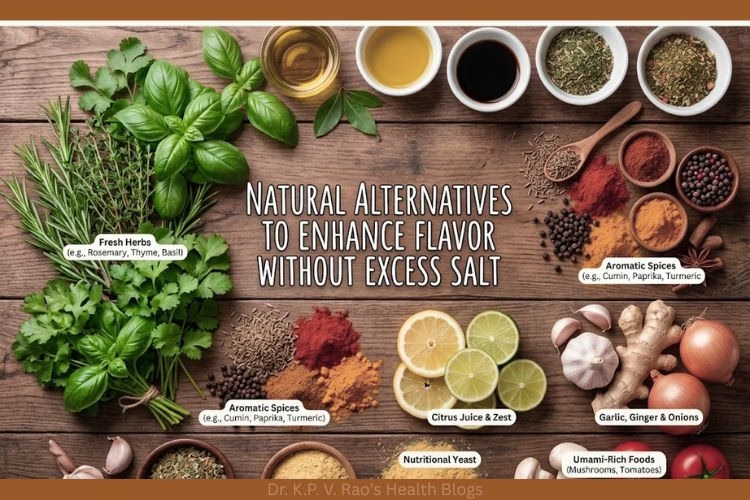
Herbs and spices transform bland food into culinary masterpieces without compromising your sodium-balanced diet. Fresh garlic, ginger, and onions create an incredible depth of flavor.
Experiment with citrus – lemon, lime, and orange zest brighten dishes naturally. Vinegars like balsamic, apple cider, and rice wine vinegar add tanginess that makes you forget about salt.
Related article: 9 Ways To Reduce Salt In Your Diet
Try these flavor combinations: rosemary with roasted potatoes, cumin and paprika for Mexican dishes, or basil and oregano for Italian cooking.
Here’s a downloadable recipe for rosemary with roasted potatoes for you to try :-
Fresh herbs pack more punch than dried versions. Grow a small herb garden on your windowsill for constant access to fresh flavors.
| Herb/Spice | Best Used With | Flavor Profile |
|---|---|---|
| Garlic powder | Vegetables, meats | Savory, robust |
| Smoked paprika | Roasted dishes | Smoky, sweet |
| Fresh dill | Fish, yogurt sauces | Bright, tangy |
| Cumin | Beans, grains | Earthy, warm |
| Lemon zest | Salads, seafood | Fresh, citrusy |
Nutritional yeast provides a cheesy, umami flavor perfect for pasta and popcorn. Mustard powder, horseradish, and hot peppers add heat and complexity without sodium.
How to gradually adjust your taste preferences
Your taste buds adapt to salt levels over time, making gradual changes more sustainable than drastic cuts. Reduce salt intake by 25% each week rather than eliminating it overnight. This prevents the shock that leads most people back to high-sodium habits.
Start with one meal per day – perhaps breakfast – and slowly expand to other meals. Your palate will adjust within 2-3 weeks, making previously acceptable foods taste overly salty. Many people discover they actually prefer less salt after this adjustment period.
Mix regular and low-sodium versions of favorite foods during the transition. Combine regular pasta sauce with no-salt-added versions in equal parts, gradually increasing the proportion of low-sodium sauce. This works especially well with soups, broths, and canned goods.
Keep a food diary, noting how foods taste during this transition. You’ll be amazed at how quickly your preferences change. Focus on the natural flavors that emerge when salt doesn’t dominate every bite.
Smart shopping tips for low-sodium food choices
Reading labels becomes second nature once you know what to look for. Aim for foods with less than 140mg sodium per serving – these qualify as “low sodium.” Avoid items labeled “reduced sodium” which might still contain excessive amounts compared to fresh alternatives.
Shop the perimeter of the grocery store first. Fresh produce, lean meats, and dairy products naturally contain less sodium than processed center-aisle items. Choose “no salt added” versions of canned tomatoes, beans, and vegetables.
Compare similar products side by side. One brand of crackers might contain 300mg of sodium per serving, while another has only 50mg. The same applies to bread, cereals, and snacks. Generic store brands often contain less sodium than name brands.
Frozen vegetables without sauce typically contain minimal sodium compared to canned varieties. Stock up when they’re on sale. Choose plain oatmeal over flavored packets, fresh meats over processed options, and whole grains over refined products.
Build a mental list of trusted low-sodium brands for regular purchases. Many companies now offer entire product lines focused on reducing sodium while maintaining flavor, making it easier to maintain healthy salt intake guidelines without sacrificing taste.
Affiliate Disclosure
Some links in this article are affiliate links. This means:
- If you click a link and make a purchase, I may earn a small commission.
- You pay nothing extra—your price stays the same.
- Your purchase helps support this site and keeps new content coming. Thank you.
Conclusion
Getting your salt intake right is really about finding that sweet spot between too little and too much.
Your body needs sodium to work properly, but going too far in either direction can cause real problems.
Whether you’re dealing with muscle cramps and fatigue from not getting enough salt or facing high blood pressure and heart issues from overdoing it, the warning signs are there if you know what to look for.
The good news is that balancing your salt intake doesn’t have to be complicated.
Start by paying attention to how your body feels, reading those nutrition labels, and focusing on whole foods instead of processed ones.
Small changes like cooking more at home and being mindful of hidden sodium in restaurant meals can make a big difference. Your body will thank you for taking the time to get this balance right!
Final Words
I hope you found this article useful. In my next article, I will be discussing an important eye condition faced by elderly people, called Age-related Macular Degeneration [AMD]
Practical Strategies to Achieve Perfect Salt Balance Share on X