
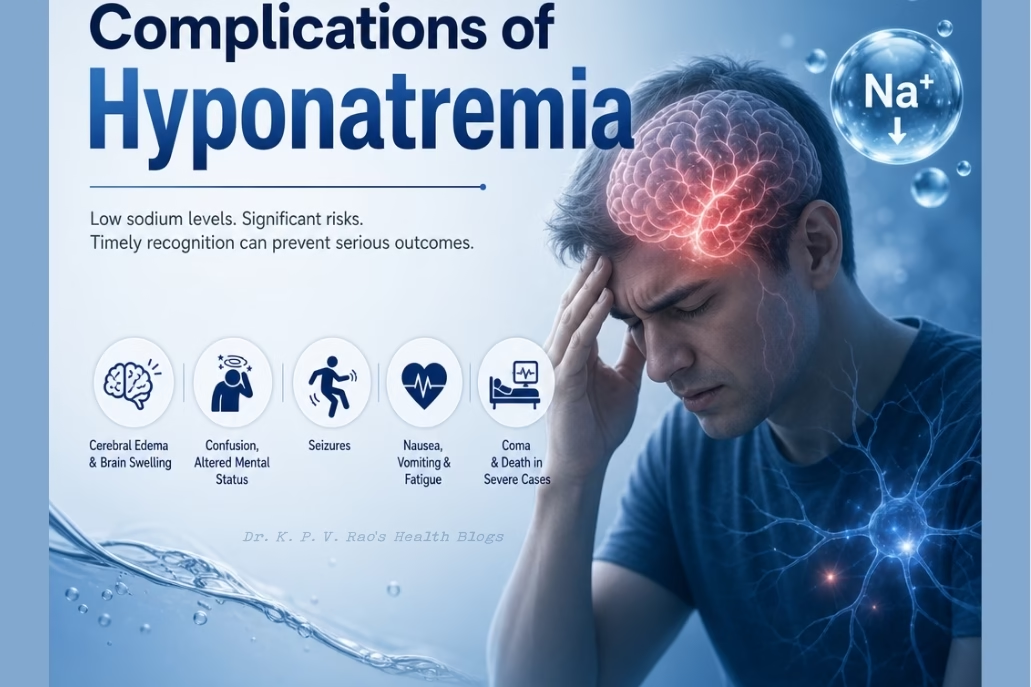

Written and reviewed by Dr. K. P. V. Rao, MBBS, General Medical Practitioner from Mumbai, after thorough research
What is Hyponatremia?
Sodium is a basic mineral your body needs to control fluid electrolytes balance, send nerve signals, and help your muscles move smoothly.
When blood sodium levels drop lower than normal, a medical condition known as hyponatremia occurs.
This low sodium levels causes an osmotic shift where excess water enters your body’s cells containing more sodium, forcing them to swell.
While cellular swelling is manageable in some tissues, swelling within the brain can rapidly result into a dangerous medical emergency.
As a general medical practitioner, I frequently diagnose this condition during routine annual blood work or when evaluating patients for chronic fatigue.
Medical Blog Disclaimer
Disclaimer: This article is for informational and educational purposes only. It is not intended to serve as professional medical advice, diagnosis, or treatment. Always consult with a qualified healthcare provider or call emergency services immediately if you suspect a severe medical condition.
Case Study
A 75-year-old adult patient visited my clinic the other day with a feeling of extreme tiredness. He had also lost a good amount of weight in the past few months- from being 70kg, he had come down to 64kg.
This patient was undergoing treatment for hypertension with a combination of diuretic and another antihypertensive medicine.
I checked his blood pressure. It was quite low for his age- about 90/60 mm of Hg (normal value would be 130/ 85-90 mm of Hg for his age). What was causing this low blood pressure?
Next thing I did was check his oxygen levels using a pulse oximeter – it gave the following reading- SpO2 %- 99, Pulse Rate- 122/min.
Next, I got the following blood investigations done- CBC, Serum Electrolytes, and Thyroid profile done. I checked his random blood sugar using a glucometer- it showed within normal limits-135mg/dl.
The blood investigation reports revealed the following-
- CBC- Slightly anaemic [Haemoglobin 10.9g]
- Serum Electrolytes–
- Sodium 112 mEq/lit,
- Potassium 1.5mEq/lit,
- Chloride 90mEq/lit,
- Calcium 8.5mg/dL and
- phosphorus- 3.5 mg/dL.
- Thyroid profile-
- T3– 225 ng/dL [normal levels-100 t0 200 ng/dL],
- T4– 15 ug/dL [ normal level-5 to 11 ug/dL], and
- TSH- 0.025 mIU/ml [normal levels- 0.40 t0 4.5 mIU/ml]
If you have observed above, the cause of his fatigue was-
Low sodium and potassium levels that had brought down his BP and causing him to get fatigued easily.
Low TSH level that caused hyperthyroidism resulting in loss of weight and high pulse rate.
As I examined him further, I could see that his heart was thumping against the chest wall. The patient could feel it too. We call it palpitations.
So, now you know how a patient of low sodium level can present to a doctor. Let’s proceed ahead with getting to know this condition better.
Understanding the differences between mild and severe low sodium is critical to seeking the correct medical intervention. I will explain it all as we proceed ahead.
Symptoms of Severe Hyponatremia vs. Mild Sodium Loss
The presentation of low blood sodium depends entirely on how low your levels have fallen and how fast the drop occurred.
Mild to Moderate Hyponatremia
When sodium levels drop gradually over weeks or months, patients often notice subtle, everyday changes that are easy to mistake for aging or stress. Common signs we see in our primary care clinic include:
- Nausea and occasional vomiting
- Persistent, dull headaches
- Unexplained fatigue, lethargy, or muscle weakness
- Mild confusion or difficulty concentrating
Critical Signs and Symptoms of Hyponatremia (Severe)
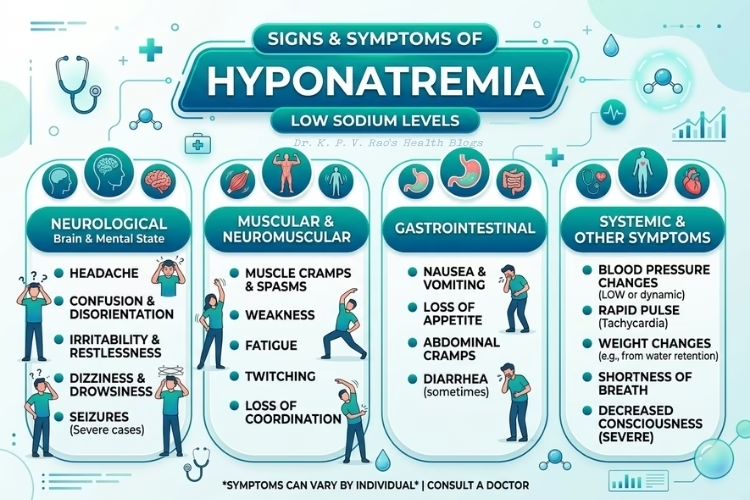
If your serum sodium drops rapidly or falls below a critical threshold, the swelling in brain cells can cause severe neurological distress. You must monitor for these critical symptoms of severe hyponatremia:
- Profound confusion, disorientation, or hallucinations
- Seizures or muscle spasms
- Extreme drowsiness or an inability to wake up
- Coma or respiratory distress
If you or a loved one are experiencing neurological symptoms, please seek emergency medical care immediately.
What are Causes of Hyponatremia or Low Blood Sodium?
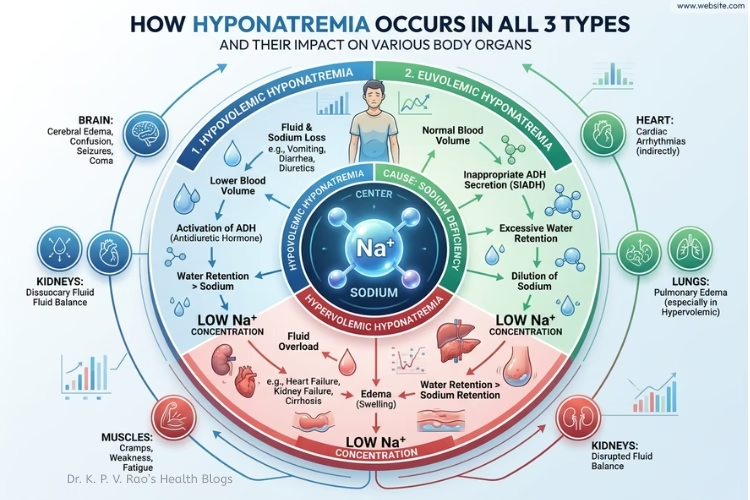
Hyponatremia is rarely an isolated illness; it is typically an indication of an underlying health issue or a side effect of a routine medication. Family doctors categorize the condition into three distinct fluid states to identify the exact root cause:
1. Euvolemic Hyponatremia
In this state, total body water increases significantly while sodium levels remain relatively constant. The most prominent cause is the Syndrome of Inappropriate Antidiuretic Hormone secretion (SIADH). Under SIADH, the body retains water excessively instead of filtering it into urine. Other contributing factors include severe hypothyroidism, advanced renal disease, or heavy recreational drugs (cocaine, methamphentamine, MDMA) use.
2. Hypovolemic Hyponatremia
This occurs when the body loses both water and sodium, but the overall sodium loss is much more severe. This is frequently driven by prolonged gastrointestinal fluid losses—like severe vomiting or diarrhea—as well as the use of thiazide diuretics (common “water pills” prescribed for high blood pressure).
3. Hypervolemic Hyponatremia
In hypervolemic cases, both water and sodium increase, but water retention vastly outpaces the sodium. This fluid backup is common in chronic conditions where organs struggle to filter or pump fluid correctly, such as congestive heart failure, liver cirrhosis, or advanced kidney failure.
Treatment for Hyponatremia: Euvolemic and Fluid Overload
A physician will perform comprehensive laboratory blood and urine tests to determine your precise volume status before initiating care. Treatment must always match the specific variant of low sodium:
- Fluid Restriction: For treatment for euvolemic hyponatremia and hypervolemic variations, reducing daily water intake is often the primary strategy to allow sodium concentrations to naturally rebalance.
- Intravenous (IV) Saline Solutions: Patients suffering from hypovolemic sodium loss generally require an infusion of 0.9% normal saline to replenish lost volume and minerals.
- Hypertonic Saline Boluses: In acute emergencies involving severe neurological symptoms or seizures, hospital specialists cautiously administer small IV boluses of 3% hypertonic saline to relieve brain swelling.
- Medication Adjustments: If your low sodium is triggered by a specific prescription, your primary care provider will safely adjust or discontinue your water pills or antidepressant medications.
- Doctors in hospital may use certain medicnes like
- Desmopressin (in some cases)
- Fludrocortisone (for certain conditions)
Other than the above medicines, doctors may use Tolvaptan to improve sodium levels in the blood.
The Danger of Rapid Correction
Medical teams must elevate blood sodium levels slowly and deliberately. If chronic low sodium is corrected too quickly, it can cause irreversible neurological damage known as Osmotic Demyelination Syndrome (ODS).
When to See Your Family Doctor in Vashi, Navi Mumbai
Because mild electrolyte imbalances mimic common issues like minor dehydration, stress, or viral illnesses, they are incredibly easy to overlook. However, leaving chronic hyponatremia unmanaged puts you at a much higher risk for sudden falls, bone fractures, and cognitive decline, especially in older adults.
If you take blood pressure medications, suffer from a chronic kidney or heart condition, or experience ongoing bouts of nausea and dizziness, consult your healthcare provider to check your metabolic panel. A simple, routine blood test at our clinic can catch this imbalance before it becomes dangerous.
If you are living in Vashi, Navi Mumbai, you can visit my clinic (address mentioned below) or you can visit your family doctor and discuss your symptoms
Book a Health Assessment Today
Are you experiencing persistent fatigue, headaches, or muscle weakness? Don’t leave your health to guesswork.
Schedule a comprehensive wellness exam and routine lab screening with Dr. K. P. V. Rao in Vashi, Navi Mumbai to ensure your electrolytes and metabolic health are perfectly balanced.
👉 [Click Here to Schedule an Appointment with Dr. K. P. V. Rao’s General Medical Practice]
Clinical References & Medical Resource Links
For deeper scientific guidance and clinical diagnostic algorithms, consult these authoritative medical platforms:
- Comprehensive disease summary and metabolic pathways via the Cleveland Clinic Hyponatremia Guide.
- Professional emergency management frameworks and fluid balance charts from the StatPearls National Center for Biotechnology Information (NCBI) Bookshelf.
- Electrolyte evaluation and diagnostic criteria outlined in the Merck Manual Professional Edition.
FAQ
What are the causes of hyponatremia?
Hyponatremia can be caused by several factors, including:
1. Excessive fluid intake
2. Heart failure
3. Liver disease
4. Kidney problems
5. Hormonal imbalances (e.g., adrenal insufficiency)
6. Medications (e.g., diuretics)
7. Chronic vomiting or diarrhea
8. Syndrome of inappropriate antidiuretic hormone secretion (SIADH)
9. Severe burns or trauma
10. Low-salt diets
How do you fix hyponatremia?
Consult your doctor for proper diagnosis and treatment. Common treatments include fluid restriction, electrolyte replacement, or medication management depending on severity. Always follow medical advice.
What happens when your body is low on sodium?
Low sodium levels in the body can lead to hyponatremia, causing symptoms such as headache, confusion, fatigue, nausea, muscle cramps, and in severe cases, seizures or coma.
Will eating more salt help hyponatremia?
Eating more salt may help raise sodium levels in cases of hyponatremia, but it’s essential to consult a healthcare professional for proper diagnosis and treatment.
