
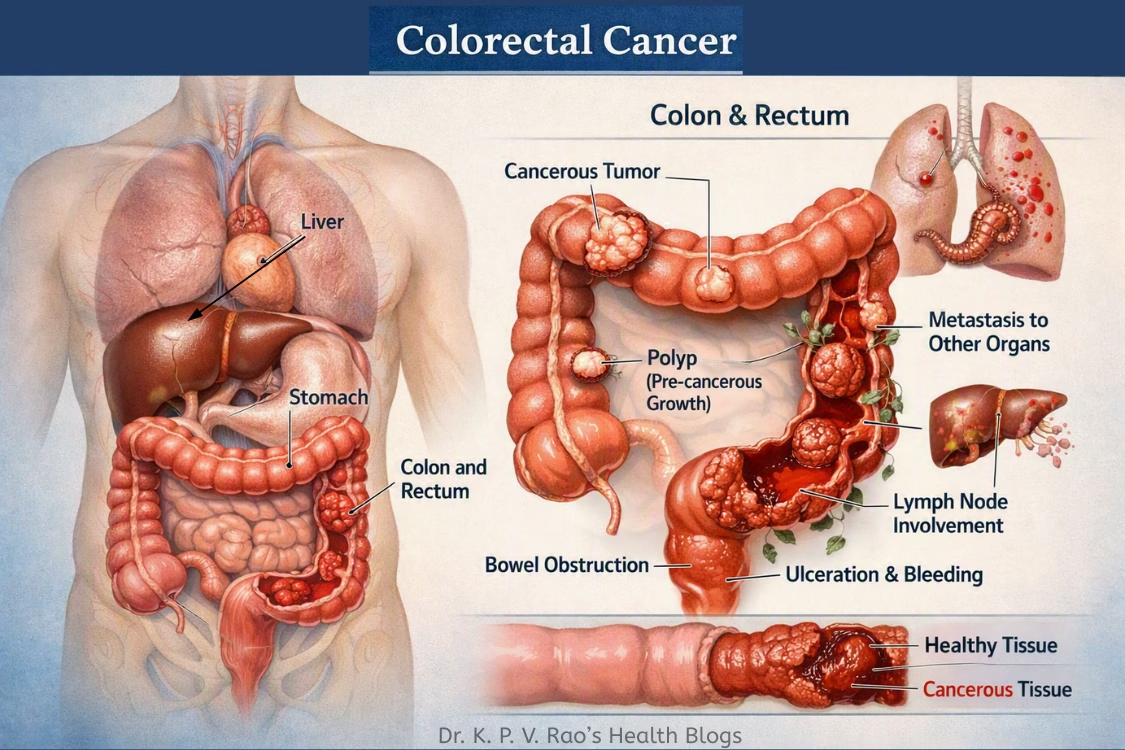
What is colorectal cancer?
Colorectal cancer is a type of cancer that affects the colon or rectum, parts of the large intestine. It typically begins as small, noncancerous clumps of cells called adenomatous polyps, which can develop into cancer over time.
Most people diagnosed with colorectal cancer are over 50. And while that stat might not shock you, the reasons behind it go way deeper than just “getting older.” Your body is quietly changing in ways that stack the odds against you, from the cellular level all the way up to the trillions of bacteria living in your gut.
Age doesn’t just mean more candles on a birthday cake. It means decades of wear and tear on your DNA, a slower immune response, and years of exposure to everything from processed food to environmental toxins. These things compound over time. They don’t hit you all at once. They build, quietly, in the background.
Let’s have a look at the global occurance of this cancer in the table below –
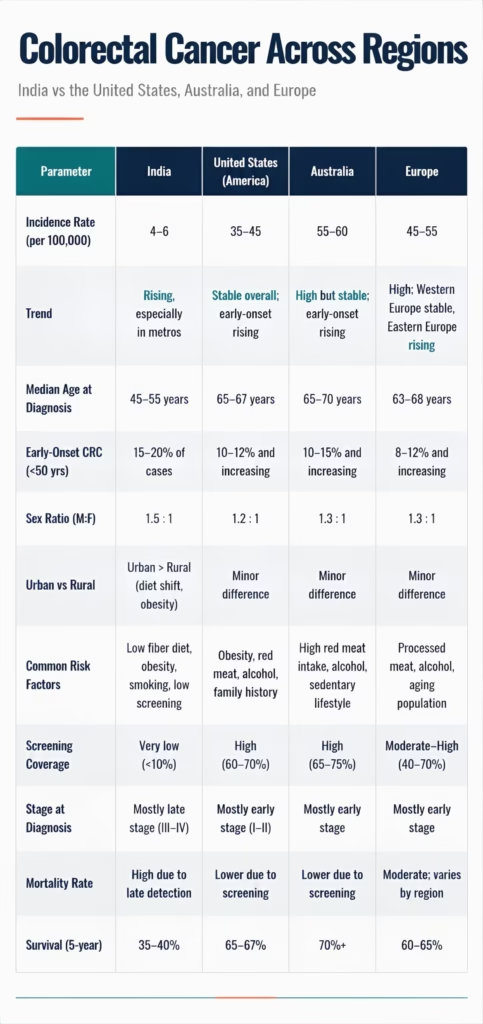
This post breaks down seven specific ways aging raises your colorectal cancer risk. Some are biological processes you can’t control. Others are tied to lifestyle habits that accumulate over the years. Understanding both can help you make smarter choices about screening, prevention, and the everyday habits that actually matter.
The Biological Clock: How Cellular Aging Drives Colorectal Cancer Risk
Your body’s cells tell time in ways you might not expect. Every division, every repair, every exposure to the environment leaves a mark. These biological changes accumulate over the years and create a perfect storm for colorectal cancer development.
1. Accumulation of DNA Damage and Genetic Mutations
Think of your DNA as an instruction manual that gets photocopied millions of times throughout your life. Each time a cell divides, there’s a chance for errors to creep in. These mistakes are small at first.
Over decades, your cells collect these genetic changes like dust settling on a shelf. Some mutations come from normal metabolic processes. Others arrive through environmental exposures or simple copying errors during cell division.
The longer you live, the more opportunities exist for these genetic changes to accumulate and potentially trigger colorectal cancer.”
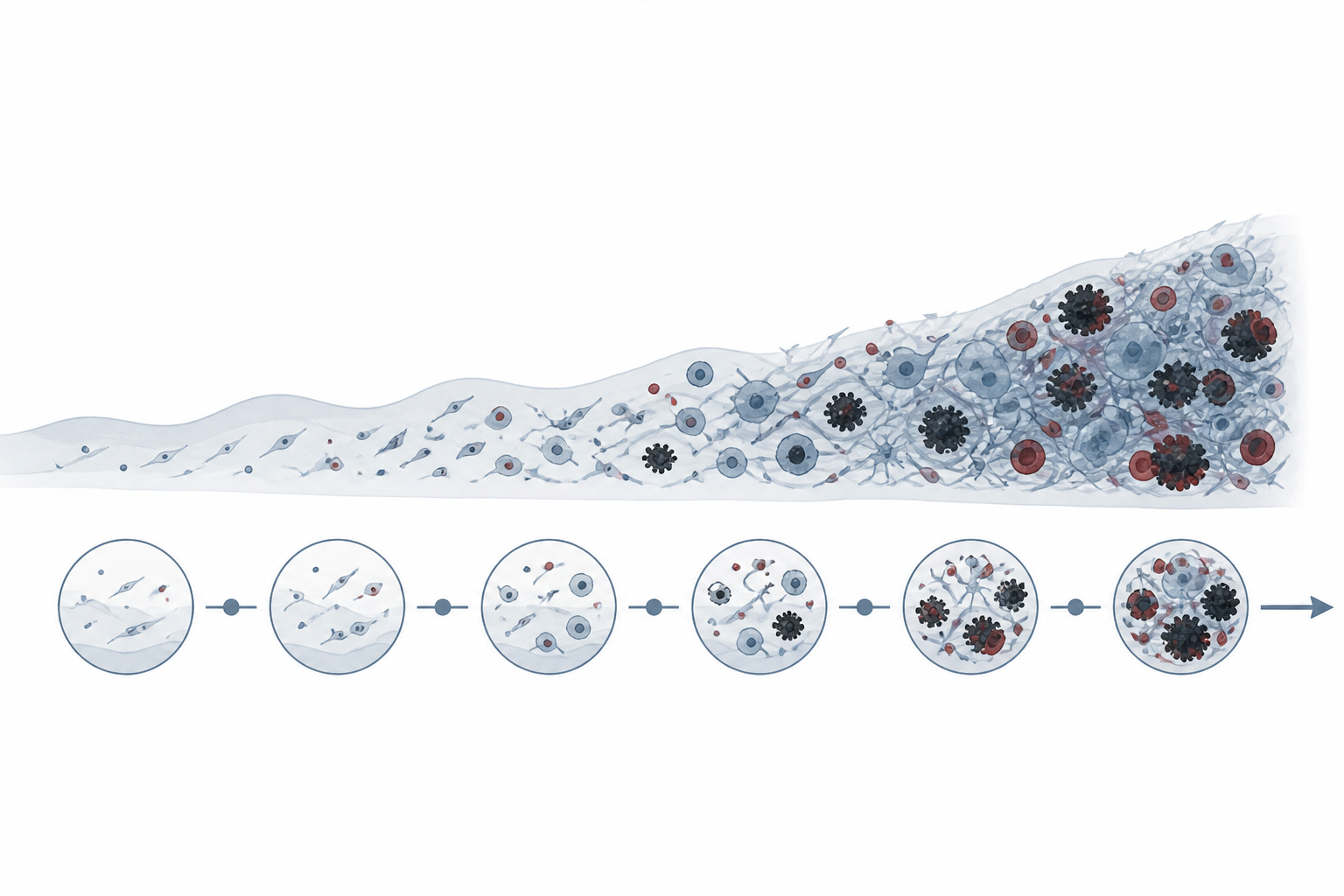
When enough mutations pile up in the right (or rather, wrong) combination, cells can start growing out of control [have a look at the image below for better understanding].
This uncontrolled growth is cancer’s calling card. Your cells lose their ability to follow the rules that normally keep them in check.“
2. Decline in Cellular Repair Mechanisms
Your body comes equipped with an impressive quality control system. Specialized proteins scan your DNA constantly, fixing errors before they become problems. It’s like having an internal editing team that catches typos before they get published.
This repair system works beautifully when you’re young.
As you age, these mechanisms slow down and become less accurate. The editing team gets tired and misses more mistakes.“
The reduced capacity for cellular repair means more genetic mutations slip through, setting the stage for cancerous changes in your colorectal tissue.
3. Age-Related Changes in the Gut Microbiome
Your intestines host trillions of bacteria that help digest food, produce vitamins, and protect against harmful invaders. This community, called your gut microbiome, changes dramatically as you get older.
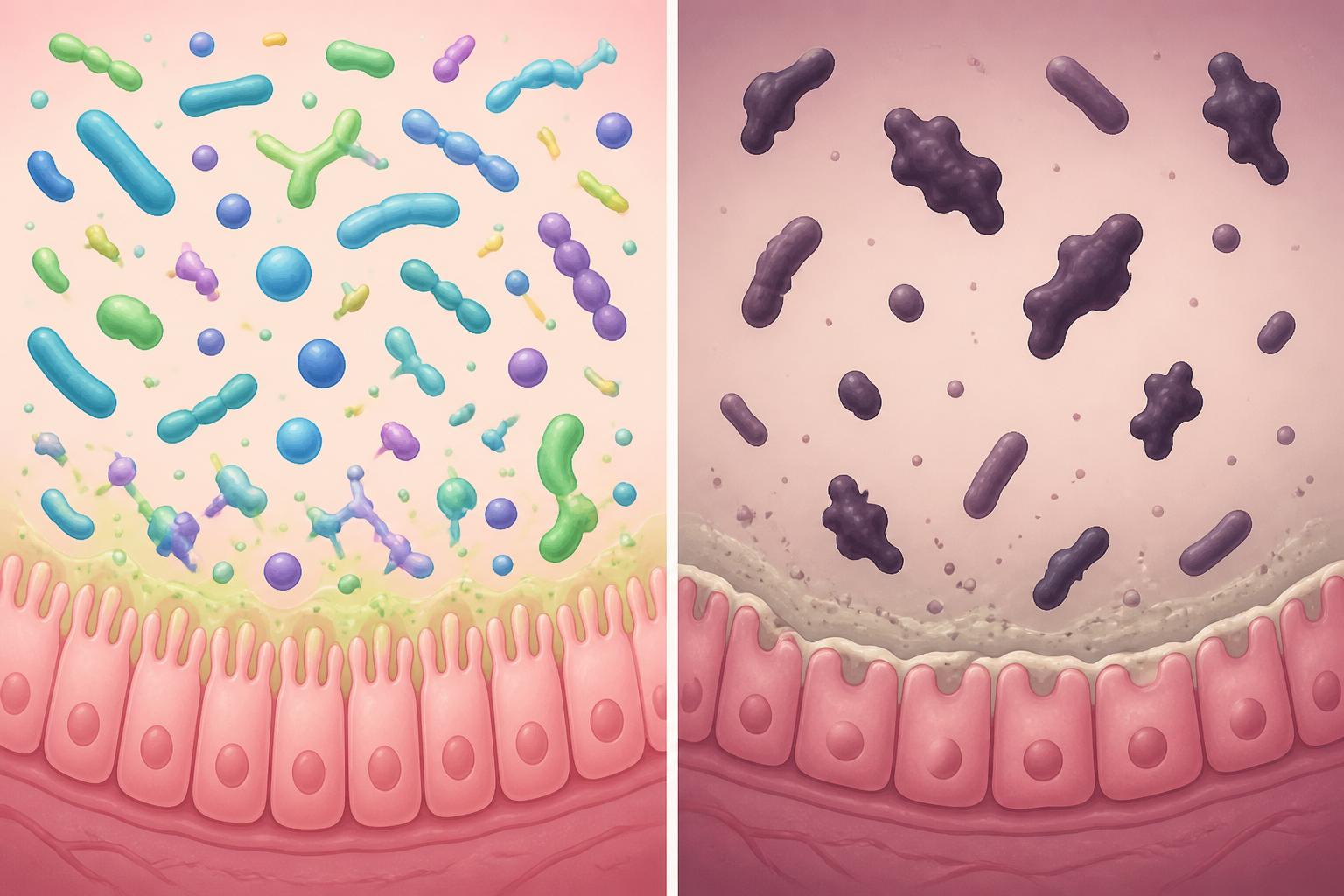
The balance shifts. Beneficial bacteria may decline while potentially harmful ones increase. These alterations in gut bacteria composition can trigger chronic inflammation and create an environment where colorectal cancer thrives.
Your gut becomes less resilient, less able to maintain the healthy equilibrium that keeps cancer at bay.”
4. Increased Prevalence of Chronic Inflammation
Inflammation is your body’s alarm system, but sometimes the alarm never turns off.
Chronic inflammation works like a slow-burning fire inside your digestive tract, damaging healthy cells and creating conditions ripe for cancer development.“
People with Inflammatory Bowel Disease, including conditions like ulcerative colitis or Crohn’s disease, face significantly higher colorectal cancer risk. The danger grows with time. The longer you live with these inflammatory conditions, the greater your risk of developing colorectal cancer becomes.
Obesity adds fuel to this inflammatory fire. As people age, weight gain becomes more common and harder to reverse.
Extra body fat doesn’t just sit there, it actively produces inflammatory chemicals that disrupt normal cell communication and promote cancer growth throughout your body, including your colon and rectum.”
Compounding Factors: Age-Related Conditions and Cumulative Exposures
6. Increased Incidence and Progression of Precancerous Polyps
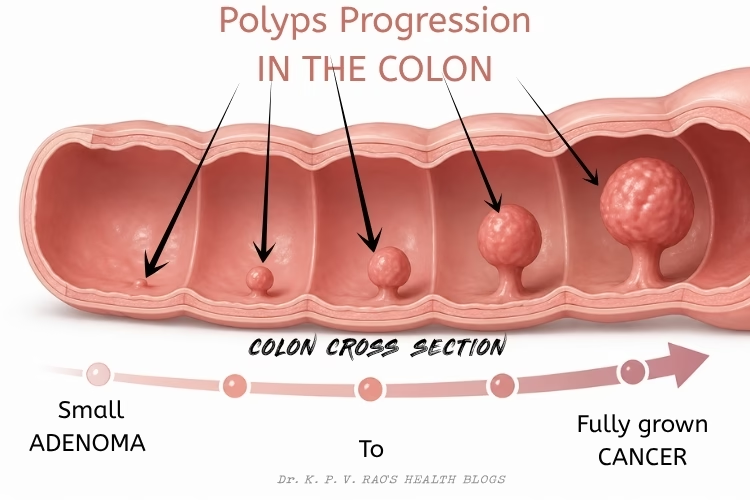
Your colon doesn’t just wake up one day and develop cancer. The process usually starts with small growths called polyps, and time is a major player in this story. Think of polyps as ticking time bombs. Not all of them explode into colorectal cancer, but some do, and the longer they sit there, the greater the risk.
Adenomas are the specific type of polyp that cause the most concern. They’re benign at first, but they have the potential to turn malignant. The statistics paint a clear picture: roughly one in three people will have at least one polyp by the time they hit 60 years old.
That’s a lot of people walking around with these growths, often without even knowing it.
The transformation from polyp to cancer isn’t quick. It takes years, sometimes even a decade or more. But here’s the catch: the older you get, the more years these polyps have had to develop and potentially cross that line into cancer territory. Most bowel cancers actually start as adenomas, making regular screening absolutely critical as you age.
7. Higher Incidence of Age-Related Diseases (e.g., Type 2 Diabetes)
Getting older often means collecting more than just memories. Many people also accumulate chronic health conditions. Type 2 diabetes stands out as a particularly troublesome companion when it comes to colorectal cancer risk.
Getting older often means collecting more than just memories. Many people also accumulate chronic health conditions. Type 2 diabetes stands out as a particularly troublesome companion when it comes to colorectal cancer risk.
People with type 2 diabetes face an elevated risk of developing colorectal cancer compared to those without the disease. The connection likely stems from elevated insulin levels that diabetes brings.
High insulin can promote cell growth in ways that aren’t always healthy. Plus, diabetes and colorectal cancer share several risk factors: carrying excess weight, staying physically inactive, and poor dietary habits all contribute to both conditions.
The news gets worse if you already have both diseases. People with type 2 diabetes who develop colorectal cancer tend to have poorer outcomes and less favorable prognoses. The combination creates a perfect storm that makes prevention and early detection even more important.
Colorectal cancer survival statistics-
As of 2021, the five-year survival rate for colorectal cancer is approximately 64%. This rate varies significantly depending on the stage [have a look at the image below to know the different stages] at diagnosis:
- localized stage (90%),
- regional stage (71%), and
- distant stage (14%).
Regular screenings and early detection can improve outcomes.
Cumulative Exposure to Environmental and Lifestyle Carcinogens
Every year you live means another year of exposure to things that can harm your cells. It’s like a bank account, except instead of saving money, you’re accumulating risk.
Environmental carcinogens surround us. Certain chemicals in our workplaces, homes, and communities. Background radiation. Pollutants in the air and water. One year of exposure might not tip the scales, but 50 or 60 years? That’s a different story. The damage adds up.
Lifestyle choices compound over time in the same way. That bacon at breakfast, the cigarettes during lunch breaks, the evening drinks, skipping the gym. These unhealthy patterns accumulate over decades, building a foundation for disease.
A diet heavy in red and processed meats doesn’t cause colorectal cancer overnight. Long-term smoking doesn’t immediately transform your cells. Decades of excessive alcohol consumption and physical inactivity slowly pave the road.
The sobering reality is that more than half of all colorectal cancers connect to modifiable lifestyle factors. This means many cases could potentially be prevented with better choices sustained over time. But it also means that years of less-than-ideal habits create real consequences that manifest as you age.
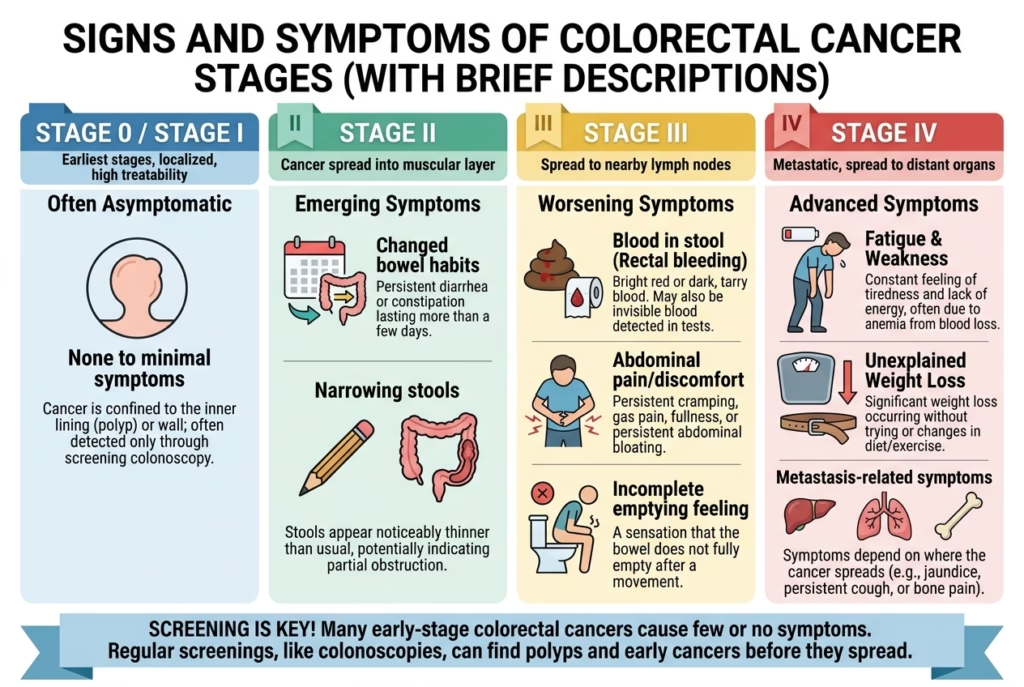
Signs and Symptoms of Colorectal Cancer
Symptoms may include changes in bowel habits, blood in the stool, and abdominal discomfort.
The image below shows in brief the signs and symptoms experienced by patients of colorectal cancer at various stages of advancement:
Treatment options
Discussing treatment options is beyond the scope of this article. However, if you are interested, here’s a short PDF I created for your information:
Final words
I would like to end this discourse with a video on how you can avoid getting Colorectal Cancer:
Coming to think of it, most of the cancers crop up in the old age. Here’s an interesting topic about aging that I have written recently on Medium- Is it Worth Living Longer?… Do read and share your thoughts.
I hope you have found this article useful. Bookmark my website – Dr.K.P.V.Rao’s Health Blogs– for free access to many more articles like this.
Adios.
